Screen-Light Family Bonding: 10–20 Minute Plans
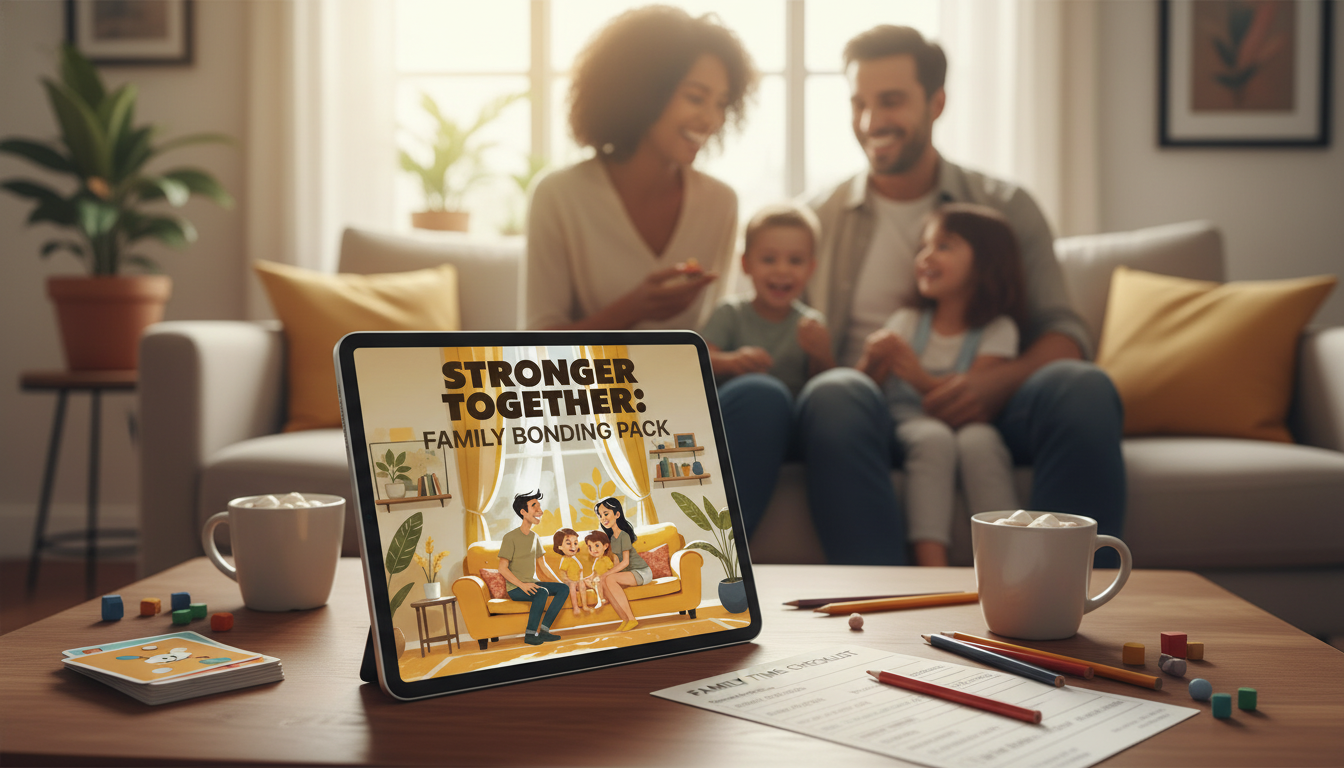
Stronger Together: A Simple, Screen-Light Plan for Family Connection at Home and Outside
Busy schedules, different ages, and daily stress can make quality time feel hard to plan. A structured set of quick activities and a simple checklist can turn “someday” bonding into a repeatable routine—without needing special equipment, long prep, or perfect weather. The goal is less scrolling, fewer negotiations, and more moments that feel like everyone is on the same team.
What Meaningful Family Bonding Looks Like (Beyond “Hanging Out”)
Connection doesn’t have to be a big event to be real. In many homes, the most reliable bonding comes from small, predictable moments that happen often enough to become part of family culture.
- Small beats occasional: Short, regular connection moments often land better than a rare “perfect” day out.
- Clear structure helps: Activities with shared attention, turn-taking, and a defined start/finish reduce friction.
- Balance calm and playful: Mixing conversation and reflection with movement and games supports different personalities.
- Consistency over duration: Ten to twenty intentional minutes can be enough to build trust and closeness.
If you’re trying to reduce screen pull, the American Academy of Pediatrics’ Family Media Plan is a helpful framework for setting boundaries that make room for more face-to-face time.
What’s Inside the Stronger Together Family Bonding Pack
The Stronger Together: Family Bonding Pack is built for families who want simple ideas they can actually use on a normal day—weeknights included.
- Digital guide designed for parents and kids to do together
- Printable activities that work in typical homes without extra supplies
- Outdoor connection ideas for backyards, parks, sidewalks, or nature trails
- A family time checklist to make planning and follow-through easier
- Flexible pacing for weeknights, weekends, and school breaks—choose what fits the day
For families also building emotional skills (especially with younger kids), pairing connection time with simple feelings practice can be a strong combo. The Confident Kids Bundle: Nurturing Emotional Strength supports self-esteem and emotional awareness with parent-friendly tools.
How to Use the Pack Without Adding More to the To-Do List
Making bonding “easy to start” matters more than making it elaborate. A lightweight system keeps you from reinventing the wheel every day.
- Pick a default time window: After dinner, before bed, or Saturday morning—anything predictable reduces decision fatigue.
- Choose one activity type per week: Talk, play, create, or move; rotate within the type so it still feels fresh.
- Keep it short on purpose: Set a 10–15 minute timer so everyone knows it ends (and can say yes more easily).
- Let kids choose: A small menu of printables increases buy-in and cuts down on power struggles.
- Track, don’t grade: Use the checklist as a progress tool, not a pass/fail scorecard.
At-Home Connection Activities That Fit Real Life
Home is where you have the most opportunities for micro-moments—especially when energy is low and time is tight.
Conversation starters
Use quick prompts to build emotional awareness and listening skills: “What was a win today?” “What felt tricky?” “Who helped you?” A calm, curious tone matters more than perfect wording.
Team mini-challenges
Turn ordinary tasks into cooperation: a two-song tidy-up race, a “build the tallest paper tower” contest, or a cooperative puzzle where everyone has a role.
Creativity moments
Try “draw your day,” write one gratitude note each, or build a family story where each person adds two sentences. Play is linked with healthy development and stress relief; the American Psychological Association’s overview on play highlights why it matters beyond entertainment.
“Help me teach you” time
Let kids teach a skill—tying shoes, a simple dance, a card trick—while the adult models curiosity and encouragement. This flips the usual dynamic and boosts confidence.
Wind-down rituals
End the day with a quick check-in or appreciations (one thank-you per person). When bedtime gets smoother, the whole household benefits.
Outdoor Connection Activities for Movement, Curiosity, and Calm
Outdoor time doesn’t need to be a big outing. The best “outside plans” are the ones you’ll actually repeat when the week is full.
If you’re parenting younger kids, simple, repeatable routines can be especially effective; the CDC’s Essentials for Parenting includes practical guidance that pairs well with short daily connection habits.
Weekly Family Time Checklist Example (Customize to Your Schedule)
| Day | Time | Activity Type | Example | Done? |
|---|---|---|---|---|
| Mon | 10–15 min | Talk | Two highs and one challenge from the day | ⬜ |
| Tue | 15 min | Play | Co-op game: build a paper tower together | ⬜ |
| Wed | 10 min | Calm | Appreciations: each person shares one thank-you | ⬜ |
| Thu | 20 min | Outdoor | Neighborhood walk: find 10 different textures | ⬜ |
| Fri | 15 min | Create | Family story chain: each adds 2 sentences | ⬜ |
| Sat | 30 min | Outdoor | Scavenger hunt at park (colors/shapes/nature) | ⬜ |
| Sun | 15 min | Reset | Pick next week’s activities + quick tidy teamwork | ⬜ |
Tips for Different Ages and Family Setups
When Motivation Is Low: Make It Easy to Start
FAQ
Is the Stronger Together Family Bonding Pack suitable for different ages?
Yes. You can adjust activities by changing the time length, complexity, and roles so preschoolers, elementary kids, and teens can all participate. Parents can also pick the most age-appropriate printables for the day.
Do these activities require special supplies or a lot of prep time?
No—most activities are designed to work with printables and everyday household items. Keeping a small “connection kit” (paper, markers, tape, pencils) makes it even easier to start quickly.
How often should family bonding activities happen to make a difference?
Consistency matters more than duration. Ten to twenty minutes several times a week is enough to create a routine and build trust, especially when it’s scheduled and repeatable.










Leave a comment