Indoor Cat Enrichment: DIY Toys, Routines & Home Setup
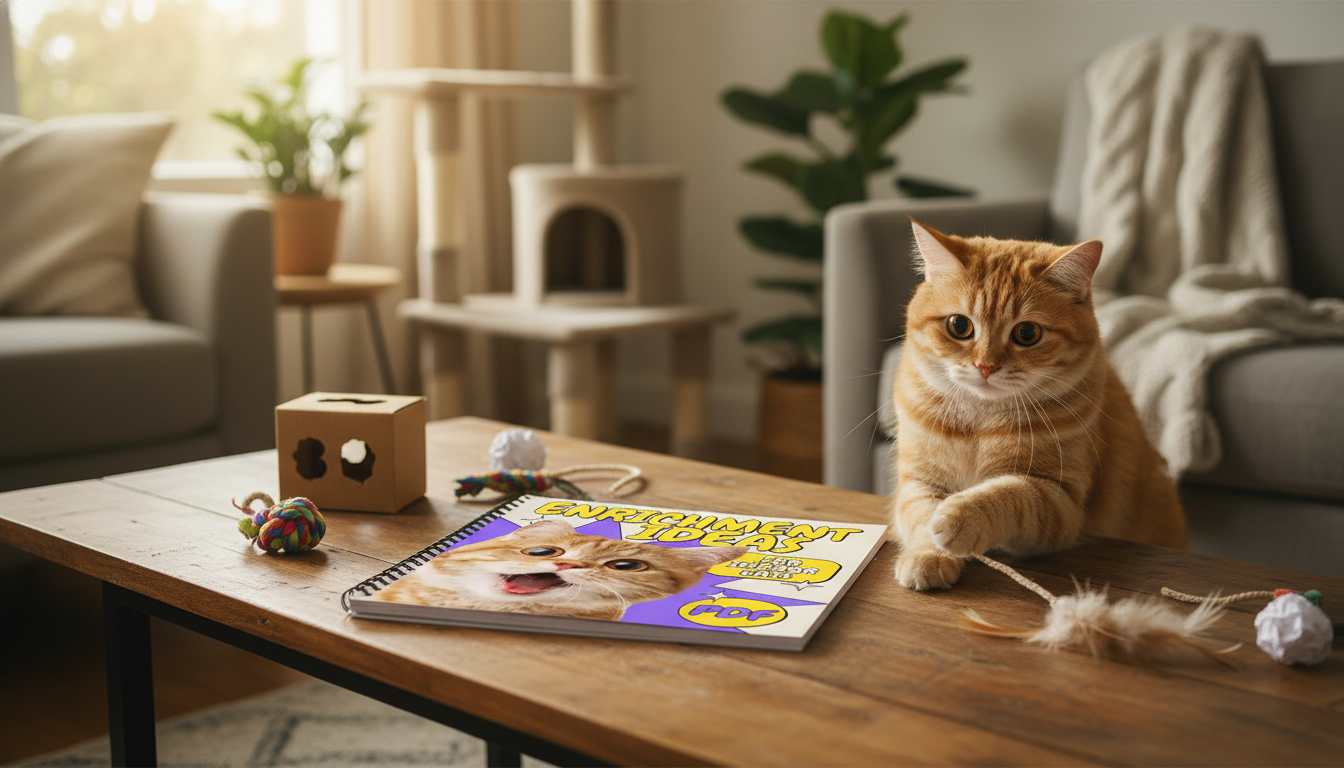
Enrichment for Indoor Cats: DIY Toys, Play Routines, and a Cat-Friendly Home
Indoor cats thrive when daily life includes hunting-style play, problem-solving, cozy rest, and safe ways to explore. A simple routine—plus a few low-cost DIY ideas—can reduce boredom, nighttime zoomies, and stress behaviors while supporting healthy weight and confidence.
Why indoor enrichment matters
Indoor life is safer in many ways, but it also removes natural outlets like stalking, climbing, scratching, scanning territory, and foraging. Without those built-in “jobs,” many cats invent their own—often at 3 a.m.
Thoughtful enrichment supports physical health (weight management, joint mobility, and muscle tone), emotional balance (lower stress and better confidence), and easier household behavior (less destructiveness, excessive meowing, or attention-seeking). The most effective changes follow a cat’s natural rhythm: hunt → catch → eat → groom → sleep.
Quick self-check: signs a cat needs more stimulation
- Frequent nighttime activity, early-morning yowling, or “zoomies” that disrupt sleep.
- Overgrooming, hiding more than usual, or sudden clinginess.
- Increased scratching outside appropriate areas or knocking items off surfaces repeatedly.
- Aggression during petting, play biting, or ambushing ankles.
- Food obsession, rapid eating, or begging that escalates between meals.
If any change is sudden or intense (especially new aggression, excessive vocalizing, or grooming that causes bald patches), a veterinary check is a smart first step.
The 5 building blocks of a satisfying indoor day
1) Active play
Short, intense sessions mimic prey movement best. Wand toys, toss-and-chase, and low “skittering” games usually beat slow, predictable swinging.
2) Food enrichment
Puzzles, scatter feeding, and “work for food” options replace some of the mental effort cats would use to hunt or forage outdoors.
3) Territory and vertical space
Cat trees, sturdy shelves, and window perches let cats climb, observe, and move between zones without feeling cornered.
4) Scent and novelty
Rotate toys instead of leaving everything out. Add cat-safe herbs like catnip or silvervine occasionally, and offer new textures (paper, cardboard, fleece) to explore.
5) Rest and security
Enrichment isn’t only “more action.” Predictable quiet spots, covered beds, and escape routes away from noise or other pets help cats settle and sleep.
Daily play routines that actually stick
Consistency beats intensity. Aim for 2–3 mini-sessions per day (about 5–10 minutes each) instead of one long session. Many cats stay engaged longer when play happens before meals.
- Use the hunt sequence: start slow (stalk), add bursts (chase), finish with a “catch” close to the ground, then offer a small snack or meal.
- Vary the game style: aerial flutter, ground skitter, hide-and-pounce, hallway sprints, or “prey behind furniture.”
- Multi-cat homes: use separate play zones to reduce competition, and make sure each cat gets a clear win (a successful catch).
- If motivation is low: switch materials (feather, ribbon, faux fur, crinkle), change rooms, shorten sessions, or play right before feeding time.
Sample week: easy rotation plan
| Day | Active play (5–10 min) | Food enrichment (5–10 min) | Home setup focus (2–5 min) |
|---|---|---|---|
| Mon | Wand toy: ground skitter + pounce | Scatter feed in one room | Refresh scratching post location |
| Tue | Toss-and-chase soft toy | Paper bag “forage” (treats under crumpled paper) | Open a new window perch view |
| Wed | Hide-and-pounce behind chair | DIY toilet-roll puzzle | Move one box/tunnel to new spot |
| Thu | Feather flutter + jump (low) | Slow feeder or lick mat (wet food) | Add a cozy covered hideaway |
| Fri | Hallway sprint (toy dragged) | Kibble in puzzle ball | Scent swap: catnip toy out, silvervine in |
| Sat | “Prey” under blanket (gentle) | Training: 3 simple cues for treats | Brush/handling in calm spot |
| Sun | Choose cat’s favorite game | Mini “treasure hunt” in 3 spots | Toy rotation: store half, keep half |
DIY toys and low-cost enrichment (safe, fast, and effective)
For more structured ideas you can print and reuse, the Enrichment Ideas for Indoor Cats | Printable Cat Enrichment Guide | DIY Toys, Play Routines, and Cat-Friendly Home Tips can make it easier to keep variety without overthinking daily setup.
Food puzzles, training, and brain games
If household routines are hard to maintain, pairing cat sessions with a simple scheduling system can help. Some pet parents like using a routine framework such as The Ultimate Productivity Blueprint | Digital Productivity Guide for Goal Setting, Time Management & Daily Routines to anchor play before meals and keep enrichment consistent.
Cat-friendly home tips: set up “yes spaces”
For deeper guidance on feline environmental needs, helpful references include International Cat Care (iCatCare) and the American Association of Feline Practitioners (AAFP).
Safety and troubleshooting
A simple plan to keep consistent
If you want a ready-to-use checklist format, the Printable cat enrichment guide with DIY toys and play routines is designed to be simple to post on the fridge and follow day to day.
FAQ
How much play does an indoor cat need each day?
Many indoor cats do well with about 10–30 minutes total per day, split into short 5–10 minute sessions. Adjust based on age, health, and energy, and try scheduling play before meals to match the hunt-catch-eat rhythm.
What are safe DIY cat toys to make at home?
Good options include a paper bag forage game (handles removed), a cardboard box “castle,” a toilet-roll treat puzzle, and a securely tied or stitched sock kicker. Avoid strings and small detachable parts, and supervise new toys until you’re confident they’re safe for your cat.
How can enrichment help with nighttime zoomies?
An evening routine that follows hunt-catch-eat (active play, then a small meal) often helps cats settle. Add daytime activity and food puzzles to reduce boredom, and talk to a vet if the behavior starts suddenly or comes with other changes.










Leave a comment