15° Bend Telescoping Chenille Car Wash Brush for SUVs
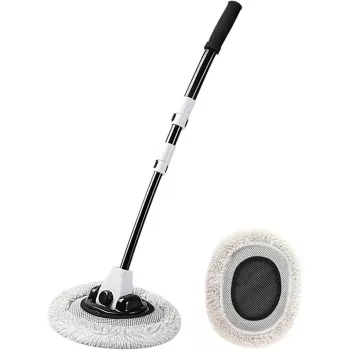
15 Degree Bend Telescoping Car Wash Brush – Flexible Chenille Cleaning Mop
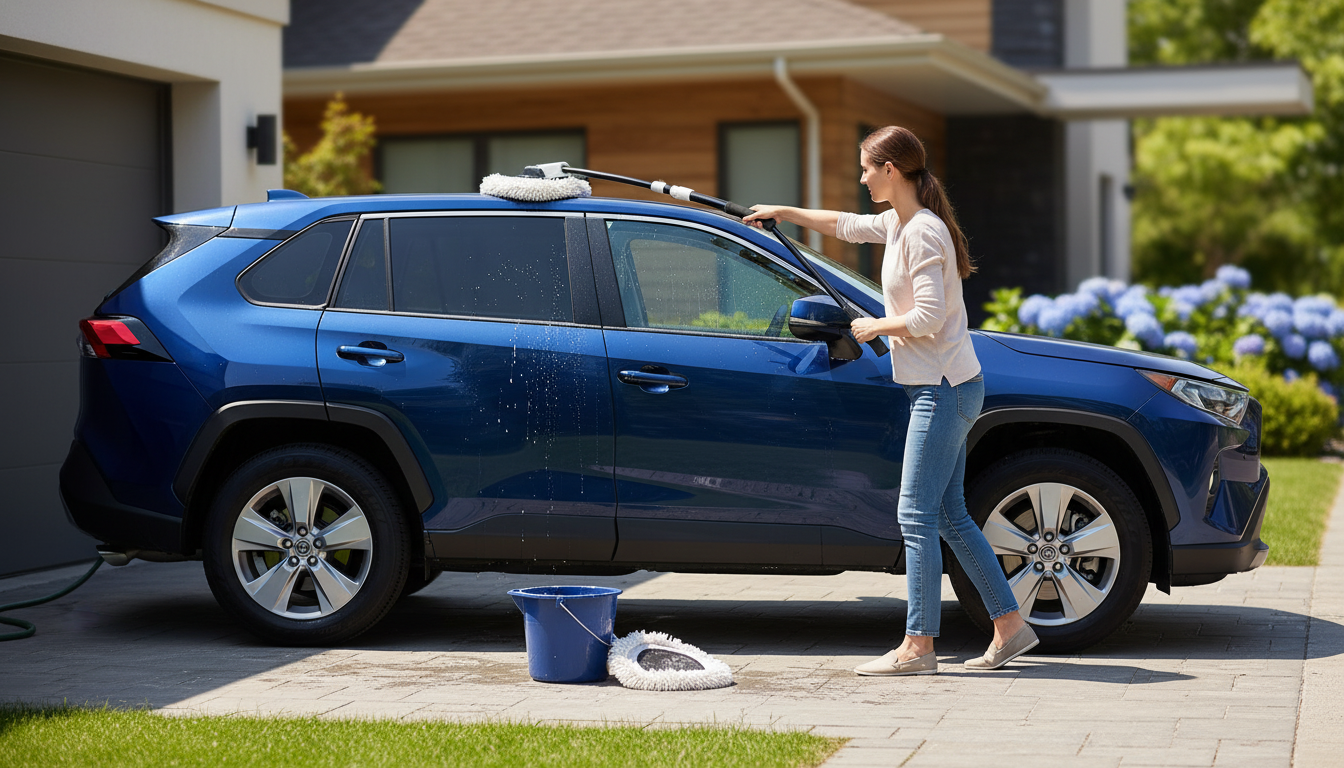
Washing tall vehicles, rooflines, and hard-to-reach panels is easier when the tool does the reaching—not the ladder. A telescoping wash brush with a gentle bend and chenille head helps cover more surface area, keeps paintwork safer, and reduces arm strain during regular washes. For drivers who maintain SUVs, vans, and trucks at home, the right angle and reach can turn a “good enough” rinse into a more consistent, controlled wash.
What Makes the 15° Bend Useful
A slight bend may sound minor, but it can change how evenly the wash head lays across curved bodywork. Instead of forcing your wrists and shoulders to keep the mop head flat, the bend helps the head naturally follow the shape of glass and sheet metal.
- Helps the wash head sit flatter on curved surfaces like windshields, hoods, and rooflines.
- Improves contact on upper panels without forcing the handle at awkward angles.
- Makes it easier to clean the top edge of doors, pillars, and rear hatch areas where grime builds up.
- Reduces the temptation to press hard—useful for minimizing swirl risk during washing.
If you’ve ever tried to clean the center of a roof by pushing a straight mop forward, you’ve likely felt the head “ride up” on its edge. The bend helps keep more fibers in contact, which supports gentler passes with better lubrication from suds.
Telescoping Reach and Where It Helps Most
Telescoping handles shine when you can adjust length for control rather than using maximum extension all the time. The goal is stable reach from the ground—especially on tall vehicles—without overextending your shoulders.
- Roof and sunroof areas: reach across safely from the side without overextending shoulders.
- SUVs, vans, and trucks: better access to the center of the roof and the upper windshield.
- Lower panels: shorten the handle for better control around rocker panels and bumpers.
- Wheels (light cleaning): use gentle pressure only; heavy brake dust removal usually needs dedicated wheel tools.
For best handling, extend only as much as needed. A slightly shorter setup often gives better feedback and keeps the head from skipping, especially when working around mirrors, roof rails, and spoilers.
Chenille Head: Gentle Contact for Routine Washing
Chenille is popular for maintenance washes because it can carry a lot of soapy water. That suds retention matters: more lubrication typically means less friction and a lower chance of wash-induced marring when paired with good habits.
- Chenille fibers hold a lot of suds, helping lubrication during wash passes.
- Soft texture can be paint-friendlier than stiff bristles when used with proper wash solution.
- Works well for removing road film, pollen, and general dust after a pre-rinse.
- Best practice: keep the head clean; grit trapped in fibers can scratch if not rinsed often.
Think of chenille like a microfiber towel: it’s gentle when clean, but any trapped debris can become the problem. A thorough pre-rinse and frequent rinsing during the wash are the simple steps that make the biggest difference.
Quick Start: A Safer Wash Routine (No Ladder Needed)
A consistent routine is what helps keep paint looking better over time. If you’re refreshing a daily driver, follow a top-down approach and prioritize rinsing away grit before your wash tool touches the surface. For general best practices, resources like the Car Care Council and Turtle Wax how-to guides offer helpful checklists.
Care, Cleaning, and Storage
Feature Checklist for Choosing the Right Wash Brush
At-a-glance: How common wash tools compare
| Tool type | Best for | Cautions | Good add-ons |
|---|---|---|---|
| Telescoping chenille wash brush | Roofs, tall vehicles, quick maintenance washes | Rinse often to avoid trapped grit; avoid heavy pressure | Two-bucket method, microfiber drying towel |
| Chenille wash mitt | Close-control washing on doors, hoods, and fenders | Less reach for roof; requires bending for lower panels | Grit guard, dedicated rinse bucket |
| Sponge | Spot cleaning in a pinch | More likely to trap grit against paint; higher swirl risk | Use only if clean and paired with lots of lubrication |
| Wheel brush (dedicated) | Wheels, barrels, and brake dust zones | Do not cross-contaminate with paint tools | Separate buckets and towels for wheels |
Recommended Picks (In Stock)
- 15 Degree Bend Telescoping Car Wash Brush – Flexible Chenille Cleaning Mop ($20.67) — built for rooflines, tall vehicles, and safer ground-level washing.
- The Ultimate Productivity Blueprint | Digital Productivity Guide for Goal Setting, Time Management & Daily Routines ($14.99) — a straightforward way to plan recurring tasks like wash days and seasonal maintenance.
- Stronger Together: Family Bonding Pack ($8.99) — helpful if you turn weekend car care into a shared family routine with checklists and activities.
When This Tool Is a Great Fit
FAQ
Can a chenille car wash brush scratch paint?
Soft chenille helps reduce the risk, but scratches can still happen if grit gets trapped in the fibers. Pre-rinse first, rinse the head often during the wash, use proper car wash shampoo, and avoid heavy pressure to keep contact as paint-safe as possible.
Is a 15-degree bend better than a straight wash mop?
The bend can improve surface contact on curved panels and rooflines, making it easier to keep the head flatter without twisting your wrists. Straight mops can still work, but they often require more awkward handle angles to maintain even contact.
How should the mop head be cleaned and dried after washing?
Rinse thoroughly until the water runs clear, then gently squeeze out excess water without stressing seams. Air-dry completely before storage, and keep the handle collapsed; check for debris stuck in the fibers before the next wash.








Leave a comment