Geometric Metal Claw Clips: Fast, Polished Hair Hold

Large Geometric Metal Claw Hair Clips for Women: Sleek Hold for Fast, Polished Styles
Geometric metal claw clips bring clean structure and a reflective finish to everyday hair—without the fuss of pins, elastics, or complicated styling. When the shape is thoughtfully designed and the spring is strong, a large metal clip can secure a full twist in seconds and still look intentional enough for meetings, dinners, and special events. Below is a practical guide to what makes a metal claw clip perform well, how to match silhouettes to hair type and outfit, and quick styles that look pulled-together even on the busiest mornings.
What makes geometric metal claw clips stand out
Unlike softer, rounded clips, geometric designs emphasize crisp edges, sharp angles, and modern symmetry. That visual structure pairs naturally with minimal jewelry, sleek handbags, and tailored layers—think blazers, trench coats, and straight-leg denim.
Metal finishes also tend to read “dressier” than many plastic options. Even a simple half-up or twist can look more polished when the hardware has a subtle shine and a sculptural silhouette. Function matters just as much as appearance, though: a sturdy spring and well-aligned teeth reduce sliding, especially on smooth strands or freshly conditioned hair.
For medium-to-long hair (or any hair that feels heavy once it’s gathered), a larger size is often the difference between a clip that merely decorates and a clip that actually holds. A wider jaw opening distributes the bundle more evenly, helping the style feel secure without needing to crank the twist uncomfortably tight.
Shop streamlined, modern hair essentials
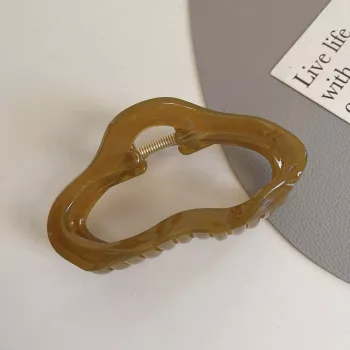
If you’re looking for a minimalist accessory that works for both quick errands and more elevated looks, start with a large, structured metal clip. Try Large Geometric Metal Claw Hair Clips for Women for an easy grab-and-go option that still looks intentional.
For anyone building a faster morning routine overall, The Ultimate Productivity Blueprint | Digital Productivity Guide for Goal Setting, Time Management & Daily Routines can help streamline prep and planning so hair and outfit decisions feel simpler day to day.
Style ideas that look intentional in under a minute
Large geometric metal clips work best when the shape stays visible—so aim for placements that show off the angles rather than burying the clip under hair.
Classic French twist
Gather hair low, twist upward, fold the ends inward, and clamp vertically. Keep the twist smooth for a sleek finish, or loosen slightly at the crown for a softer, more romantic profile.
Half-up with volume
Lift the crown section, gently loosen or lightly tease for height, then secure at the mid-back of the head. This is a strong choice for fine hair that slips in full updos but holds well when the clip grips a smaller section.
Low twist for work
Bring hair to the nape, twist once or twice, and clamp horizontally. The horizontal placement can feel especially stable for long days at a desk because the weight of the hair is supported closer to the base.
Clipped bun variation
Coil hair into a loose bun and clamp across the base so the geometric shape remains visible. This is a great “polished messy bun” alternative when you want a more architectural look than an elastic can provide.
Side sweep
For layered cuts or shorter lengths, sweep one side back and clamp near the temple or just above the ear. It acts like a structured accent piece and helps tame face-framing layers.
Fit and comfort: choosing the right size and tension
If a clip style triggers headaches, the fix is usually simple: loosen the twist, reposition the clip closer to the center of the head, or switch to a half-up style to reduce tension points. Tight, repeated pulling in the same area can contribute to traction-related hair issues; the American Academy of Dermatology notes that consistently “pulling” hairstyles can lead to hair loss over time (AAD guidance on hairstyles that pull).
Quick guide to matching clip style to hair type
| Hair type | Best wear approach | What to look for |
|---|---|---|
| Fine or silky | Half-up or low twist | Aligned teeth, secure spring, avoid over-twisting |
| Medium density | Full twist or clipped bun | Large jaw opening, smooth edges, balanced tension |
| Thick or curly | Full updo or large twist | Stronger spring, wide opening, sturdy metal build |
| Layered/shoulder length | Half-up or side sweep | Teeth that catch shorter layers, comfortable grip |
How to use a metal claw clip without snagging
Open the clip fully before placing it rather than “scraping” along the hair as it closes. For slippery hair, add light texture first (like dry shampoo or a texturizing spray) so the teeth can grip without needing extra tightness. If you’re concerned about long-term pulling, the Cleveland Clinic overview of traction alopecia highlights how repeated tension contributes to hair loss risk (Cleveland Clinic: traction alopecia).
Care and storage for a long-lasting finish
A minimalist accessory that works year-round
FAQ
Do metal claw clips damage hair?
They can if the style is too tight, snags during placement, or puts repeated stress in the same spot. Gentle detangling, avoiding over-tight twists, and rotating placement help reduce pulling, and smooth edges with the right size clip minimize strain.
How can a claw clip stay in fine, slippery hair?
Half-up styles often hold better than full updos on fine hair, and a light texturizing product can add grip. Choose a clip with well-aligned teeth and reliable spring tension, and twist only as much as needed so the clip can interlock rather than slide.
What hairstyles work best with a large geometric claw clip?
Quick options include a French twist, low twist, half-up with volume, a clipped bun variation, and a side sweep. The best choice depends on length and layers—shorter or layered cuts tend to feel most secure with half-up or side placements.








Leave a comment