60W USB-C Car Charger: Fast Charging & Safety Tips
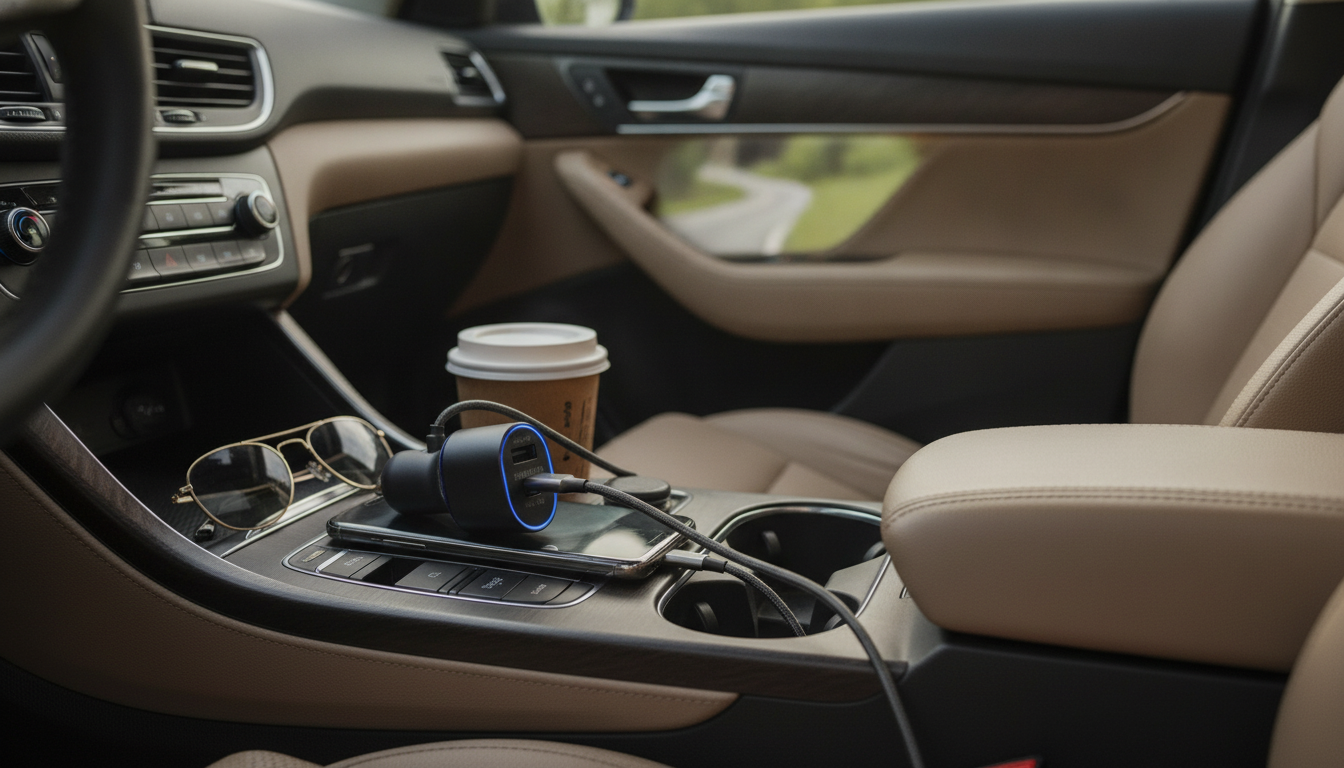
60W USB Type-C Car Charger for Fast, Reliable Charging on the Road
A dependable car charger can turn commute time into charging time—without overheating, slow speeds, or cable chaos. A 60W USB Type-C car charger is built to power today’s phones, tablets, and many USB-C accessories quickly while staying compact in the vehicle. Below is a practical breakdown of what “60W” means in real life, what matters most for safety and compatibility, and how to get consistently strong charging performance in any car.
What a 60W USB Type-C car charger can power
Charging power is measured in watts (W). In general, higher wattage means the charger can supply more power—if your device and cable can negotiate and safely accept it. A 60W car charger offers extra headroom so compatible devices can pull more power when needed, while lower-draw devices simply take what they’re designed to accept.
- USB-C phones: Great for quick top-ups on short drives. Many modern phones typically charge in the 18W–45W range depending on model and battery temperature.
- Tablets: Helps keep battery steady during navigation, video, and hotspot use, where basic chargers often can’t keep up.
- USB-C power banks: Useful for refilling a travel battery faster between stops (assuming the power bank supports USB-C PD input).
- Accessories: Some USB-C accessories (and certain dash cams) can run from USB power, though fit and cable routing matter.
One important note: many phones won’t draw the full 60W. That’s normal. The charger’s higher ceiling simply means it can serve a wider range of devices and reduce the chances of being the bottleneck.
Charging speed depends on the entire chain: charger + cable + device + charging protocol. A great charger paired with a low-rated cable can still charge slowly.
| Device type | Common negotiated power range | What to expect in the car |
|---|---|---|
| USB-C smartphones | 18W–45W (some higher) | Fast top-ups during short drives; best results with a USB-C PD-capable cable |
| Tablets | 20W–45W | Steadier charging during navigation/streaming; may maintain battery under heavy use |
| Power banks | 10W–60W | Faster refills for USB-C PD power banks; helps keep a backup ready for travel |
| Older/USB-A devices (with adapter/cable) | 5W–12W | Basic charging; speed depends on the adapter/cable and device limits |
Key features that matter in everyday driving
- Port type and layout: USB-C ports are the most future-friendly option. Also look at the space around the port—some thicker, reinforced cables need extra clearance to plug in fully.
- Power negotiation support: USB Power Delivery (PD) is the common standard for fast charging over USB-C. If your device supports PD, it can request higher voltage/current profiles for faster charging. For more background, the USB-IF maintains the official PD documentation at USB Power Delivery Specification (USB-IF).
- Build and fit in the 12V socket: A charger that seats securely helps prevent disconnects when you hit bumps or when the socket is slightly worn from years of use.
- Heat management: Small chargers can run warm under sustained load. Better internal design and stable materials help reduce heat buildup and minimize throttling.
- Visibility at night: A subtle indicator light can make it easier to find the port without creating distracting glare in the cabin.
Safety and protection basics to look for
Car electrical systems aren’t perfectly steady. Voltage can fluctuate with engine start/stop cycles, accessory load, and temperature. Built-in protections are there to help keep charging stable and reduce risk to your devices.
For general battery longevity tips—especially when devices heat up during charging—Apple’s guidance is a helpful reference: Battery and charging tips for lithium-ion devices (Apple Support).
Getting the fastest charge: cables, ports, and power modes
Product spotlight: 60W USB Type-C Car Charger
If you want a compact charger with a high power ceiling for modern USB-C devices, the 60W USB Type-C Car Charger is a practical pick. It’s well-suited for daily commutes, rideshare driving, and road trips where a phone or tablet stays connected for long stretches. Pair it with a USB-C PD-capable cable to get the best performance on compatible phones, tablets, and power banks.
| Detail | Value |
|---|---|
| Product | 60W USB Type-C Car Charger |
| Availability | In stock |
| Price | 3.51 USD |
| Best for | Fast charging compatible USB-C devices during daily driving and travel |
Setup tips and troubleshooting in real-world conditions
More in-stock picks (travel-friendly)
- The Ultimate Productivity Blueprint (digital guide for planning routines and time management)
- Stronger Together: Family Bonding Pack (printable activities for trips, weekends, and at-home downtime)
FAQ
Will a 60W USB Type-C car charger fast charge my phone?
Yes if your phone supports a fast-charging standard over USB-C (commonly USB Power Delivery) and you’re using a cable rated for that power. If not, it will still charge safely at the phone’s maximum supported rate.
Is it safe to leave a car charger plugged in all the time?
It’s generally safe in many vehicles, but some 12V sockets stay powered when the car is off. Unplugging can help prevent battery drain and reduces long heat exposure when the car is parked.
Why does charging slow down after a few minutes?
Heat management is a common reason: the phone or charger may reduce power to control temperature, especially during navigation or in a hot cabin. Better airflow, lower screen brightness, and a quality cable can help sustain faster charging.









Leave a comment