360° Silicone Finger Toothbrush: Gentle Pet Dental Care
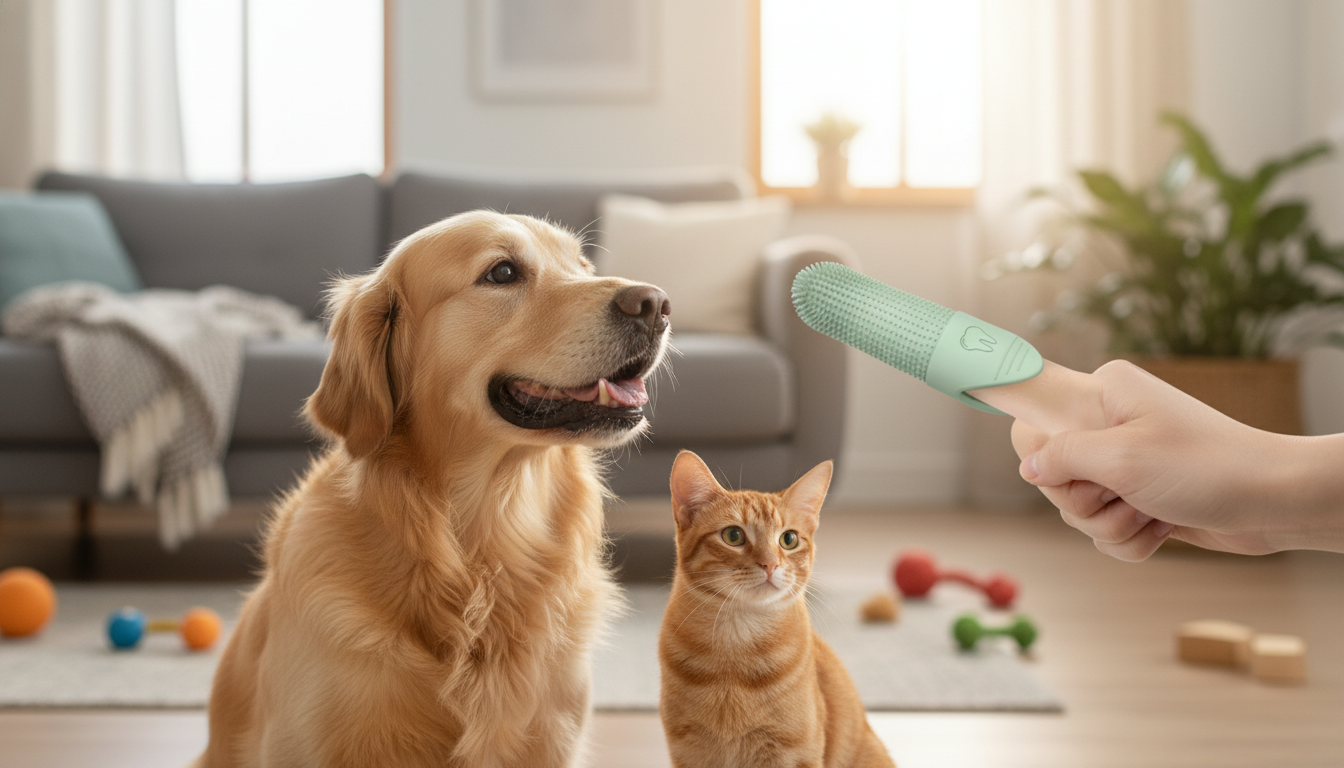
360° Silicone Finger Toothbrush for Gentle Dog & Cat Dental Care
Daily mouth care helps reduce plaque buildup, bad breath, and gum irritation—especially for pets that dislike traditional brushes. A soft silicone finger toothbrush offers close control, a gentler feel, and easy access to tricky areas, making it a practical option for both dogs and cats. With the right routine, even wiggly pups and skeptical cats can gradually learn to tolerate (and sometimes even enjoy) quick, calm brushing sessions.
Why Pet Dental Care Matters
Dental hygiene is more than a “nice-to-have.” Over time, the film of plaque on teeth can harden into tartar, which is tougher to remove at home and can contribute to gum inflammation and discomfort. Bad breath is also commonly tied to oral bacteria and food debris that collect around the gumline. Some pets—especially small dogs and short-nosed breeds—may be more prone to dental crowding, which can create extra nooks for buildup.
Consistent brushing supports fresher breath and healthier gums between professional cleanings. For veterinary guidance on the importance of oral care, see the American Veterinary Medical Association (AVMA) pet dental care resource and AAHA’s dental care overview.
What a 360° Silicone Finger Toothbrush Does Differently
Finger brushes are designed to simplify technique and reduce “tool anxiety” for pets that resist a standard handled toothbrush. A 360° silicone finger toothbrush typically provides:
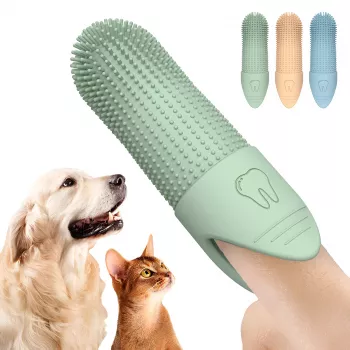
- Wraparound cleaning: 360° bristles help clean multiple sides of the tooth with each stroke.
- A softer feel: Silicone can be less intimidating for brushing beginners and sensitive mouths when used gently.
- Better control: Finger-fit design improves precision and can help reach back molars more easily.
- Compact access: Works well for cats, small dogs, and targeted spot-cleaning for larger dogs.
Finger Toothbrush vs. Standard Pet Toothbrush
| Feature | Silicone Finger Toothbrush | Standard Handle Toothbrush |
|---|---|---|
| Control | High—brush moves with the finger for precise placement | Moderate—handle angle takes practice |
| Comfort for beginners | Often gentler due to soft silicone feel | Varies by bristle type; can feel firmer |
| Reach | Great for gumline and back teeth, especially in small mouths | Good overall reach; easier to keep distance from biting |
| Cleaning coverage | 360° design can cover more surfaces per pass | Depends on brush head size and technique |
| Best use cases | Training, sensitive gums, cats, quick daily brushing | Routine brushing once a pet is comfortable |
Key Features to Look For in a Silicone Finger Brush
- Soft, flexible silicone: Helps avoid gum irritation when used with light pressure.
- Full-coverage bristle layout: Makes it easier to clean along the gumline and tooth edges in fewer passes.
- Secure, comfortable fit: A snug fit helps maintain control without feeling tight; consider finger size if more than one person will brush.
- Textured back (optional): Some designs include a textured surface for gentle tongue or cheek wiping to reduce odor-causing residue.
How to Brush a Dog or Cat’s Teeth (Low-Stress Routine)
A calm routine matters as much as technique. The goal is to build tolerance first, then build time. For a step-by-step veterinary perspective, VCA Animal Hospitals offers a helpful guide: Brushing Your Pet’s Teeth.
- Start short: Let your pet sniff the brush; briefly touch lips and gums before attempting any real brushing.
- Use pet-safe toothpaste only: Never use human toothpaste, since ingredients may be harmful if swallowed.
- Fit the brush and use gentle circles: Place the finger brush over the index finger and make small circular motions along the gumline.
- Begin with the outer surfaces: Focus on the cheek side of teeth first—buildup is often heaviest there.
- Keep it under 1–2 minutes at first: Start with 10–20 seconds if needed and gradually increase as comfort improves.
- Reward immediately: Offer praise, play, or an approved treat right after brushing to reinforce the routine.
Tips for Common Challenges (Biting, Wiggling, and Cats Who Refuse)
- Mouthy dogs: Brush after exercise when calmer. Use your free hand to gently stabilize the chin rather than prying the mouth open.
- Anxious pets: Try “micro-brushes” (5–10 seconds) a few times per day instead of one longer session.
- Cats who resist: If necessary, wrap lightly in a towel. Start with only the front teeth, then expand to the side teeth over days or weeks.
- Light bleeding early on: If gums bleed lightly during the first week, reduce pressure and duration. Persistent bleeding or obvious pain warrants a veterinary check.
- Visible heavy tartar: Brushing helps maintenance but may not remove hardened deposits—professional cleaning may be needed.
Care, Cleaning, and Replacement
Product Option: 360° Silicone Dog Finger Toothbrush for Dogs & Cats
If you want an easy, daily tool for building a brushing habit, the 360° Silicone Dog Finger Toothbrush for Dogs & Cats Dental Care is designed for gentle, wraparound brushing. It’s a practical choice for pets transitioning into mouth care, and its compact size makes it convenient for travel or quick cleanups after meals.
Quick Specs
| Detail | Value |
|---|---|
| Product | 360° Silicone Dog Finger Toothbrush for Dogs & Cats Dental Care |
| Availability | In stock |
| Price | $2.01 USD |
More In-Stock Picks
- The Ultimate Productivity Blueprint | Digital Productivity Guide for Goal Setting, Time Management & Daily Routines
- Stronger Together: Family Bonding Pack | Digital Family Activities Guide for Kids & Parents
- Confident Kids Bundle: Nurturing Emotional Strength | 3-in-1 Bundle
FAQ
Can a silicone finger toothbrush be used for both dogs and cats?
Yes. The small, soft design can suit both species—use gentle pressure, start with short sessions, and focus on the outer gumline where plaque tends to build up most.
How often should a dog or cat’s teeth be brushed?
Daily is ideal, but several times per week can still help. Consistency matters more than long sessions, especially for pets that are new to brushing.
Is it safe to use a finger toothbrush without toothpaste?
Brushing mechanically helps remove debris, but pet-safe toothpaste can improve plaque control and help acceptance. Avoid human toothpaste, and consult a vet if you suspect dental disease.








Leave a comment