Anxiety Relief Bundle: Mindfulness, Prompts & Checklist
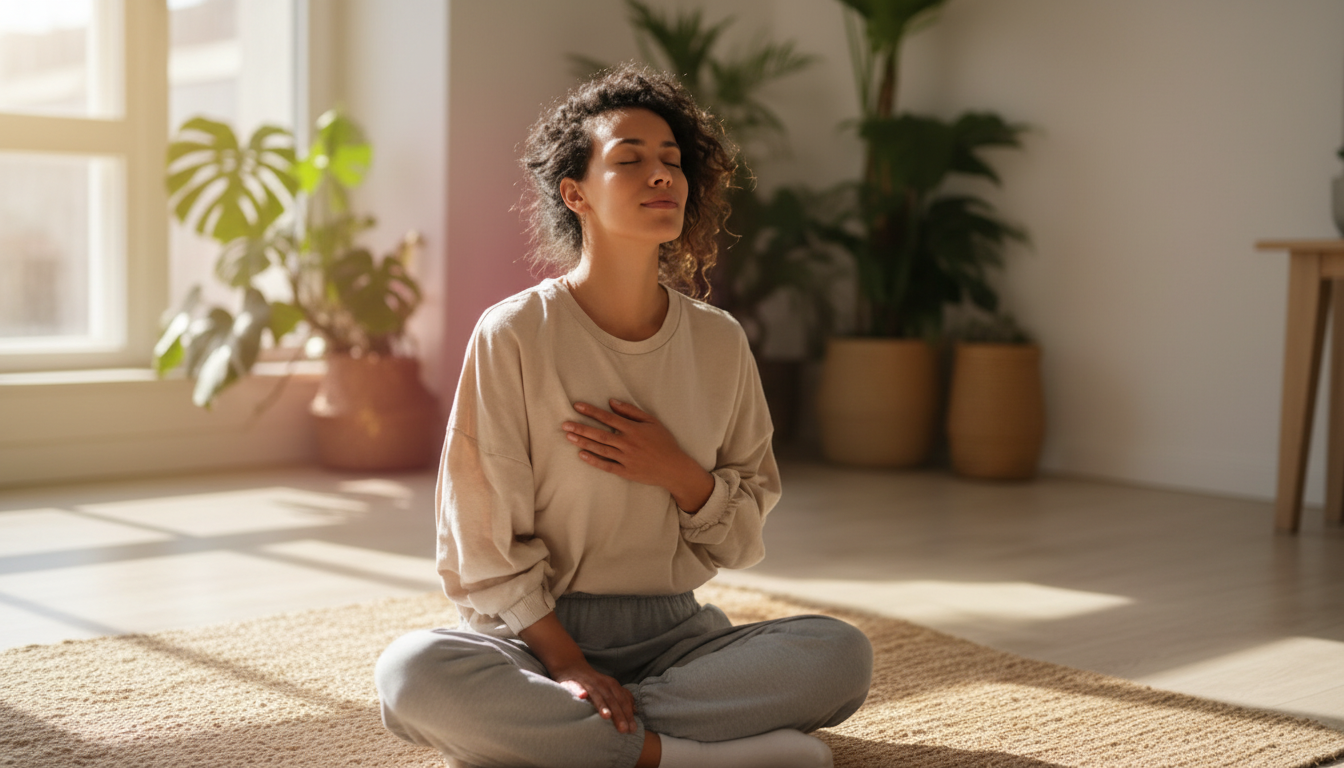
Anxiety often shows up as racing thoughts, tension in the body, and a feeling of being “on” even when life is quiet. The good news: relief doesn’t always require a complicated routine. What tends to help most is having a few reliable tools you can repeat—especially when your brain is tired and decision-making feels hard.
The Anxiety Relief Bundle: A Path to Calm (4-in-1 Bundle) is a digital toolkit built for that exact moment. It brings together mindfulness exercises to settle the nervous system, positive thinking prompts to soften spirals, a printable checklist to keep daily support simple, and a course outline that turns everything into manageable steps you can actually follow.
Who This Bundle Can Support (and When to Seek Extra Help)
This bundle is designed for everyday anxiety—worry loops, stress overload, and the kind of mental “static” that makes it hard to focus, sleep, or feel confident. It can be especially helpful for people who prefer a structured, step-by-step approach instead of searching for techniques one by one and hoping something sticks.
It also fits busy schedules. The tools are short by design: quick calming practices, fast reframing prompts, and a checklist that reduces decision fatigue by telling you what to do next when you’re already overwhelmed.
That said, it’s not a replacement for professional care. Anxiety can become severe or persistent, and it may include panic symptoms or interfere with daily functioning. If anxiety impacts your safety, includes thoughts of self-harm, or makes it hard to get through the day, reach out to a licensed professional or local emergency resources right away. For background on anxiety disorders and when to seek help, see the National Institute of Mental Health overview.
What’s Inside the 4-in-1 Bundle
The value of a bundled approach is that anxiety rarely lives in just one place. Sometimes it’s body-first (tight chest, shallow breathing). Sometimes it’s thought-first (catastrophic predictions, rumination). Sometimes it’s routine-first (no structure, too many decisions, inconsistent coping). This bundle covers all three.
Bundle Components at a Glance
| Component | Purpose | Best time to use | Typical time needed |
|---|---|---|---|
| Mindfulness exercises | Calm the body and attention | During spikes of stress or as a daily routine | 5–15 minutes |
| Positive thinking prompts | Reduce worry spirals and strengthen perspective | After a triggering thought or before bed | 3–10 minutes |
| Printable checklist | Stay consistent without mental load | Morning setup or evening review | 2–5 minutes |
| Course outline | Turn tools into a steady plan | Weekly pacing and reflection | 20–40 minutes/session |
If you like pairing mental wellness tools with practical planning, The Ultimate Productivity Blueprint can complement anxiety support by reducing last-minute scrambling and helping you build calmer daily routines.
A Practical Weekly Rhythm Using the Bundle
Anxiety tends to respond best to consistency, not intensity. A steady rhythm helps you build trust in the tools—so when stress hits, you’re not starting from scratch.
- Day 1–2: Start with short mindfulness practices to lower baseline tension before tackling thought patterns.
- Day 3–4: Introduce positive thinking exercises for common anxiety themes like uncertainty, social worry, or performance pressure.
- Day 5: Use the printable checklist to review what helped most and which triggers repeated.
- Day 6: Follow the course outline for a longer session that ties together body calming, thought reframing, and doable action steps.
- Day 7: Keep it light—repeat the easiest practice to build consistency rather than aiming for perfection.
Mindfulness Exercises That Pair Well With Anxiety Relief
Mindfulness is less about “clearing your mind” and more about returning to the present with less struggle. According to the American Psychological Association, mindfulness meditation can support stress reduction and emotional regulation—two things anxiety often disrupts.
- Breathing reset: Use slow, exhale-focused breathing to send a safety signal to the nervous system. Aim for a longer exhale than inhale.
- Body scan: Notice tension in common hotspots (jaw, shoulders, stomach). The goal is gentle awareness and softening, not forcing relaxation.
- 5-4-3-2-1 grounding: Connect to your senses to interrupt rumination and return to what’s happening right now.
- Urge surfing: When anxiety pushes an impulse (checking, reassurance-seeking, avoiding), observe the sensations rise and fall like a wave without acting immediately.
- Micro-practice between tasks: Place 60–120 seconds of mindful attention between meetings, errands, or chores to prevent stress stacking.
Positive Thinking Without Toxic Positivity
Positive thinking works best when it’s believable. Anxiety doesn’t respond well to forced optimism; it responds to balanced, reality-based statements that reduce threat without denying difficulty.
Printable Checklist: Turning Coping Skills Into a Habit
Course Outline: A Clear Path Instead of Random Tips
If anxiety affects family dynamics, routines that build connection can also reduce background stress. Stronger Together: Family Bonding Pack offers simple, structured activities that can make daily life feel more supportive and steady.
When This Bundle Fits Best (Quick Decision Guide)
Consider adding professional support if panic attacks are frequent, avoidance is expanding, or anxiety feels unmanageable. For a general overview of generalized anxiety disorder and common symptoms, the NHS guide is a helpful reference.
FAQ
Is this bundle suitable for beginners to mindfulness?
Yes. The practices are short and approachable, and it’s easy to start with the simplest exercise plus the printable checklist to build consistency first.
How quickly can the tools help with anxiety?
Some techniques can calm your body in a few minutes, while longer-term change usually comes from repeating the tools over days and weeks. The checklist makes it easier to track what works and notice progress over time.
Is this a therapy replacement?
No. This is a self-help resource, not medical or mental health treatment. If symptoms are severe, persistent, or involve safety concerns, seek support from a licensed professional or local emergency resources.







Leave a comment