Safe Space Mapping: Build a Calm-Down Plan in 30 Minutes
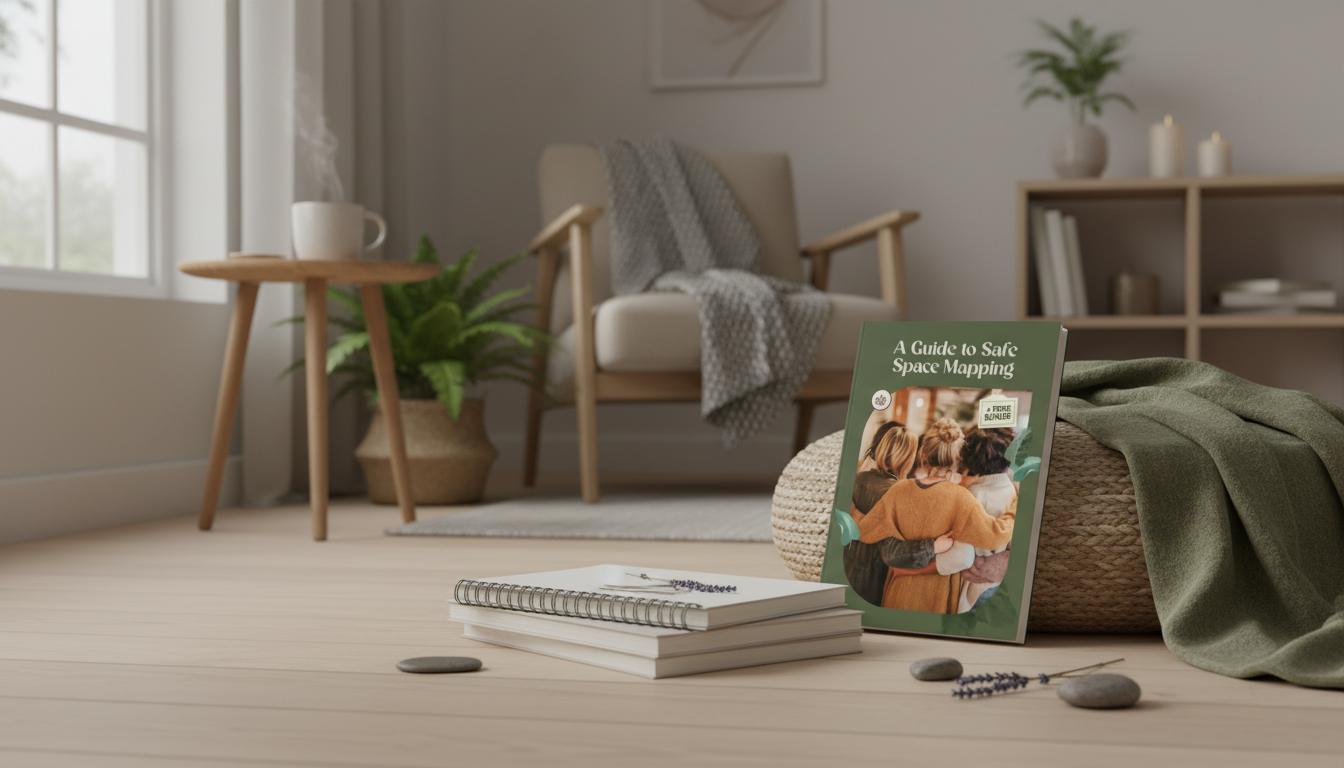
A Guide to Safe Space Mapping: Practical Steps to Understand, Create, and Use Supportive Spaces
Safe space mapping is a simple, structured way to identify where safety, support, and calm already exist—and where they can be strengthened. This approach can be used at home, school, work, online, or in community settings to reduce stress, improve boundaries, and make it easier to ask for help. The goal is not to eliminate every trigger or conflict; it’s to create clearer options for regulation, connection, and protection when life feels overwhelming.
What “safe space” means in everyday life
A “safe space” can be more than one thing. It might be physical (a room, a corner, a library), social (a trusted person or group), digital (a moderated community, muted chats, a notes app), or internal (breathing, grounding, self-talk). Often, the most reliable support comes from having a few options across all four.
Safety is both objective (low risk of harm) and subjective (a felt sense of calm, respect, and predictability). Both matter. A space that’s objectively fine can still feel unsafe if it’s loud, chaotic, or filled with judgment. And a space that feels comforting may still need practical boundaries to remain truly supportive.
In real life, “safe enough” is usually more realistic than “perfect,” especially in shared homes, busy classrooms, or workplaces. The goal is to identify what reliably lowers distress and what rules help keep it that way—consent, confidentiality boundaries, respect, accessibility, predictable expectations, and a plan for what happens when conflict occurs.
| Type | Examples | What it supports |
|---|---|---|
| Physical | quiet room, car, designated classroom corner | reduces sensory load; creates privacy; supports decompression |
| Social | mentor, peer ally, family member, counselor | co-regulation; problem-solving; accountability; connection |
| Digital | muted group chats, moderated forums, crisis text lines | access to support; information; community without travel |
| Internal | box breathing, grounding, compassionate self-talk | self-regulation when no external space is available |
Safe space mapping: the core idea
Mapping turns vague feelings like “I don’t feel safe anywhere” into a clear inventory of options and gaps. Instead of relying on memory during a hard moment, you build a small, usable menu: where you can go, who you can contact, what you can do, and what to try next if your first choice isn’t available.
For a research-informed foundation on supportive environments, SAMHSA’s trauma-informed guidance is a strong reference point: SAMHSA TIP 57: Trauma-Informed Care in Behavioral Health Services.
How to build your map in 20–30 minutes
Step 1: Define the purpose
Step 2: List 5–10 anchors across categories
Step 3: Add friction notes (and how to reduce friction)
Step 4: Add micro-steps for the first 60 seconds
Step 5: Review with a trusted person (when appropriate)
For youth, or anytime safety planning is involved, review with a trusted adult or professional. If you’re building resilience skills, the American Psychological Association’s practical overview can help: APA: Building your resilience.
| Field | Entry |
|---|---|
| Primary place | __________ |
| Primary person + best contact method | __________ |
| Primary activity | __________ |
| Backup place | __________ |
| Backup person | __________ |
| Backup activity | __________ |
| Digital support | __________ |
| Professional support | __________ |
| Emergency option (if in immediate danger) | __________ |
Using the map in real moments (not just on good days)
Making spaces safer: boundaries, inclusion, and predictable rules
| Need | Phrase | Why it helps |
|---|---|---|
| Pause | “I need a break; I’ll be back at ___.” | sets a return point and reduces fear of abandonment |
| Privacy | “Please don’t share this outside this conversation.” | clarifies confidentiality expectations |
| No advice | “I need listening, not solutions right now.” | prevents escalation and defensiveness |
| Space | “Please give me a few feet; I’ll tell you when I’m ready.” | reduces overwhelm and supports regulation |
A practical workbook-style resource
If you want a structured, guided format with prompts that help turn ideas into a usable plan, consider A Guide to Safe Space Mapping | Digital Ebook on Understanding, Creating & Using Safe Spaces. A good guide should include clear definitions, step-by-step worksheets, examples for different settings, and quick review check-ins to keep your plan current.
Digital formats are especially useful because they’re easy to update, simple to duplicate for different contexts (home, school, work), and portable on a phone or tablet. For families building supportive routines together, Stronger Together: Family Bonding Pack can complement mapping by adding low-pressure ways to reconnect after stressful moments. If you’re supporting younger kids’ emotional skills, Confident Kids Bundle: Nurturing Emotional Strength provides age-appropriate activities that make it easier to name feelings and ask for help. And if your biggest friction point is keeping routines steady under pressure, The Ultimate Productivity Blueprint can help you build predictable rhythms that make safe options easier to access.
FAQ
Is safe space mapping the same as a safety plan?
They overlap because both increase your options when distress rises, but a safety plan is specifically focused on preventing harm and responding to immediate risk. If you’re in danger or feel unable to stay safe, use emergency resources and consider professional guidance for a formal safety plan.
Can a safe space be online?
Yes. A safe online space can be a moderated community, a crisis text line, or simply a quieter digital setup like muted chats and blocked accounts. Clear boundaries—privacy settings, time limits, and reporting tools—help keep online spaces supportive instead of overwhelming.
How often should a safe space map be updated?
Review it monthly or anytime something changes (moving, a new job or school schedule, relationship shifts, or increased symptoms). Keep updates brief so the map stays fast to use in real moments.











Leave a comment