Vacuum Anxiety in Pets: Calm Cleaning for Dogs & Cats
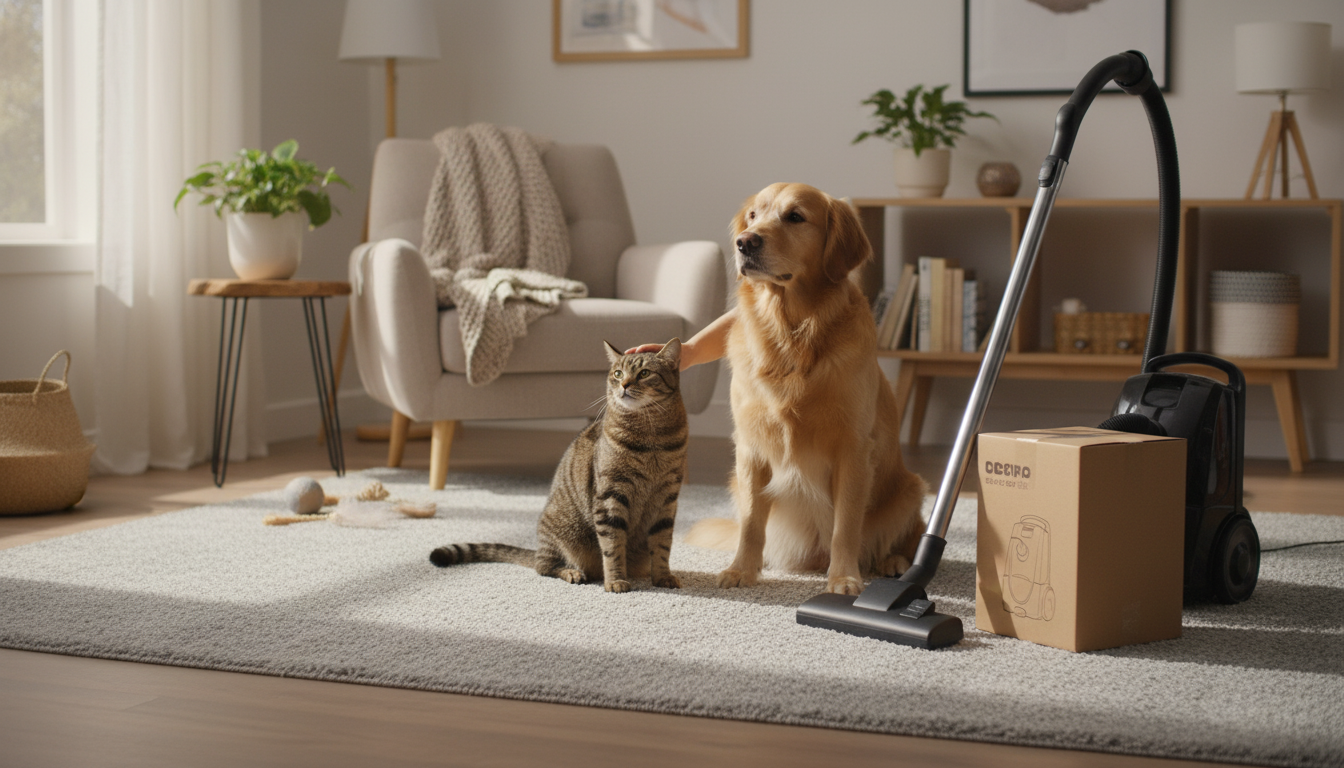
Helping Pets Handle Vacuum Stress: Calm, Safe Cleaning Routines for Dogs and Cats
Some pets react to the vacuum like it’s a threat—barking, hiding, shaking, or even trying to attack it. With a few environment tweaks and a gradual training plan, most dogs and cats can learn to stay calm (or at least feel safe) during cleaning. Use the steps below to reduce fear, prevent accidents, and make vacuum time predictable. For more guidance, see Adopting an under-socialized dog – Humane Colorado.
Why vacuums feel scary to pets
To a dog or cat, a vacuum can be a perfect storm of sensory overload and uncertainty. Common reasons include: For further reading, see [PDF] Decompress for Success | East Bay SPCA.
- Noise sensitivity: High volume and harsh frequencies can trigger a startle response, especially in sound-sensitive dogs.
- Unpredictable movement: Fast direction changes and “approaching” the pet’s space can feel like chasing.
- Vibration and airflow: Floor vibration and strong air movement can be unsettling, particularly for cats.
- Past experiences: One scare (being bumped, cornered, or startled while resting) can create lasting avoidance.
- Owner reactions: Rushing, scolding, or trying to “prove it’s fine” can accidentally confirm the situation is threatening.
If your pet’s fear is broad (vacuum, thunder, fireworks), guidance from established animal welfare organizations can help you frame a calmer plan. The American Veterinary Medical Association (AVMA) and the ASPCA both outline practical approaches to fear and anxiety reduction.
Stress signals to watch for (and when to pause)
Training works best when your pet stays under their panic threshold. Watch for early signs that the vacuum is “too much” and adjust before fear escalates.
- Dogs: tucked tail, whale eye, lip licking, panting when not hot, pacing, barking/lunging, trying to herd or bite the vacuum.
- Cats: flattened ears, crouching, tail swishing, hiding, dilated pupils, sudden scratching/bolting, growling or hissing.
- When to pause training: your pet won’t take treats, freezes, tries to escape, or escalates from alert to panic.
- Safety note: if your pet snaps or attempts to bite the vacuum, prioritize distance and management first; training should stay below the panic threshold.
Set up a “vacuum-safe” environment before turning it on
Before any training, set your home up so your pet can reliably opt out. That sense of control is often the difference between “tolerating” and truly calming down.
- Create a refuge zone: a closed room, crate (door open if crate-trained), or covered cat bed stocked with water and a long-lasting chew or puzzle feeder.
- Use physical barriers: baby gates, closed doors, or playpens to prevent chasing, nipping, or getting underfoot.
- Protect hearing comfort: add background noise (fan, white noise, calming music) and keep the vacuum as far from the refuge area as possible.
- Reduce surprises: pick a consistent cleaning time; announce it with a cue (for example, “vacuum time”) so it becomes predictable.
- Choose safer tools when possible: for quick pickups, use quieter alternatives (broom, rubber brush, handheld vacuum) while training is in progress.
If you want a structured walkthrough for refuge setup, reward timing, and common setbacks, the digital guide Helping Pets Handle Vacuum Stress lays out a simple routine you can repeat consistently across the household.
A gradual plan to desensitize and build positive associations
The goal isn’t to “teach your pet the vacuum is harmless” through forced exposure. Instead, you’re pairing tiny, manageable pieces of vacuum-related experience with something your pet loves, while always allowing escape to safety.
How the stages work
Training ladder for vacuum comfort
| Step | Vacuum setup | Goal behavior | Typical duration |
|---|---|---|---|
| 1 | Vacuum visible, turned off, stationary | Pet stays relaxed and can take treats | 1–3 minutes |
| 2 | Vacuum moved quietly (off) | Pet watches calmly or ignores it | 1–3 minutes |
| 3 | Vacuum turned on briefly in another room | Pet eats/plays normally during sound | 3–10 seconds, repeat |
| 4 | Vacuum on in same room at a distance | Pet chooses refuge or stays settled | 10–60 seconds |
| 5 | Normal vacuuming with barriers/refuge | No panic; recovery is quick after | A full cleaning session |
Make vacuum days easier right now (management tools that help)
For households that benefit from tighter routines (especially when multiple people share cleaning duties), a simple tracking system can help keep sessions short and consistent. A planning resource like The Ultimate Productivity Blueprint can be used to log distance, duration, and your pet’s recovery time so progress is easier to measure.
When fear is intense: extra support options
A guided resource for calmer cleaning routines
Many pets improve faster with a written plan the whole household follows—same cue, same safe zone rules, and the same “stop before panic” approach. For a structured progression built around common vacuum-trigger patterns, Helping Pets Handle Vacuum Stress is designed to help you set up the environment, time rewards, and troubleshoot plateaus without pushing your pet too far.
FAQ
Should a pet be kept in the same room while vacuuming to “get used to it”?
No—forced exposure can intensify fear and make reactions worse over time. Use a safe zone and barriers, then introduce the vacuum gradually at a distance with rewards, increasing duration and proximity only when your pet stays calm enough to eat and respond.
How long does it take for a dog or cat to stop being scared of the vacuum?
For mild fear, improvement may show up in days to a few weeks with daily, low-intensity practice. Severe noise phobia can take longer and may require veterinary support; consistency, reward quality, and staying under threshold all affect the timeline.
What if the pet tries to attack the vacuum?
Immediately switch to management: create distance, use a closed door or gate, and avoid punishment. Restart training at a much lower intensity (vacuum off and far away) and seek professional help if aggression escalates or safety is at risk.












Leave a comment