DIY Car Headlight Restoration Kit Guide for Clear Lenses
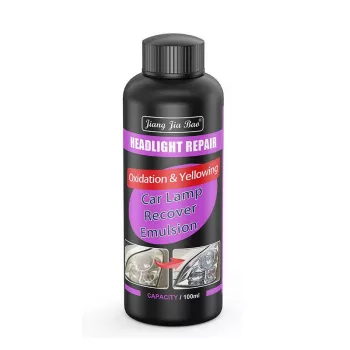
Car Headlight Restoration Kit: Bring Back Clear, Bright Headlights at Home
Cloudy, yellowed headlights can make nighttime driving feel dim and reduce the crisp look of a vehicle’s front end. A headlight restoration kit refreshes the lens surface by removing oxidation and sealing it, helping restore clarity and improve light output without replacing the entire headlight assembly.
Why Headlights Turn Yellow and Hazy
Most modern headlight lenses are made from polycarbonate plastic, which is tough and impact-resistant—but it needs protection from the elements. Over time, that protection wears down and the lens surface changes in ways you can see and feel.
- UV exposure breaks down the outer protective coating on many polycarbonate headlight lenses, leaving a rough, oxidized surface that scatters light.
- Road grime, salt, and harsh cleaners can speed up lens wear and micro-scratching.
- Heat cycles and weathering can create fine cracks and dullness that make beams look fuzzy or dim.
- Condensation inside the housing is a separate issue; restoration helps the outside lens, not internal moisture problems.
For a deeper look at how lighting affects safety and visibility, see guidance from NHTSA and headlight performance discussions from the IIHS.
What a Restoration Kit Typically Does (and What It Can’t Fix)
A quality restoration kit focuses on the outer lens surface—where oxidation and micro-scratches live. Think of it as carefully “leveling” and refining the plastic so the headlight can transmit light more cleanly.
- Restores surface clarity by removing the oxidized layer and smoothing the lens so light passes through more cleanly.
- Improves the appearance of the lens by reducing yellowing and cloudiness on the exterior.
- Helps extend the time before replacement by adding a protective layer (when a sealant/protectant step is included).
- Won’t fix damage inside the headlight (internal haze, peeling reflectors, burnt bulbs, water intrusion, or cracked housings).
- Severely pitted lenses may improve but can still show texture; results depend on how deep the damage is.
Quick Prep Checklist for Cleaner Results
Prep work is where most at-home restorations are won or lost. A clean surface and controlled conditions help prevent extra scratches and blotchy results.
- Wash the headlight and surrounding area thoroughly; trapped grit can cause extra scratches during sanding/polishing.
- Mask paint and trim around the headlight with painter’s tape to avoid scuffing clearcoat.
- Work in shade on a cool surface; products can flash-dry too fast in direct sun.
- Use clean microfiber towels and keep the lens wet as directed (dry sanding on plastic can create uneven marks).
- Plan enough time for curing if a protectant or coating step is included.
Step-by-Step Restoration Flow
Different kits vary, but the successful workflow is usually the same: assess, cut, refine, polish, then protect. Move patiently and aim for consistent results across the whole lens—not just the “worst” spot.
1) Assess the lens
- Assess the lens: if it’s lightly dull, polishing may be enough; if yellowed or chalky, sanding then polishing is usually needed.
2) Level the oxidation
- Level the oxidation: sand in even passes, using light-to-moderate pressure; change direction between steps to track progress.
3) Refine the surface
- Refine the surface: move to finer abrasives to reduce sanding marks and bring back clarity.
4) Polish and restore gloss
- Polish/compound: buff until the lens looks clearer and evenly glossy.
5) Protect the finish
- Protect: apply the kit’s sealant/protectant to slow future UV oxidation; skipping protection often shortens how long results last.
- Final check: confirm both headlights match in clarity; uneven work is easier to fix immediately than later.
| Stage | Typical goal | What it should look like before moving on |
|---|---|---|
| Initial cut (coarser step) | Remove yellow/oxidized layer | Uniform, matte finish with no shiny patches |
| Refinement (medium step) | Reduce deep scratches | Finer, more even haze; previous direction marks fading |
| Pre-polish (fine step) | Prepare for clarity | Very smooth haze; minimal visible lines |
| Polish + protect | Restore clarity and add UV barrier | Clear lens with even gloss; no patchy dull spots |
Recommended DIY Picks (In Stock)
If the goal is a cleaner-looking lens and better light transmission, start with a dedicated restoration kit and set aside enough uninterrupted time to finish the protectant step properly.
- Car Headlight Restoration Kit (budget-friendly option for restoring exterior lens clarity and adding protection when used as directed)
- The Ultimate Productivity Blueprint (useful for organizing weekend DIY maintenance routines, reminders, and checklists)
How to Make the Results Last Longer
Restoration removes damage, but longevity depends on what you put back on the surface afterward—and how the headlights are cared for between washes.
When Restoration Isn’t Enough
FAQ
How long does headlight restoration usually last?
Results commonly last several months to a couple of years, depending on UV protection, prep quality, climate, and washing habits. Using the kit’s protectant step and letting it cure fully usually makes the biggest difference in durability.
Is it better to sand or just polish headlights?
Light haze may respond to polishing alone, but heavy yellowing or chalky oxidation usually needs sanding to remove the damaged layer before polishing can restore clarity. If polishing doesn’t change the look after a few passes, sanding is typically the next step.
Can a restoration kit fix headlights that have moisture inside?
No—restoration kits address oxidation on the exterior lens surface. Moisture inside the housing typically requires fixing seals or vents and drying the assembly; otherwise, condensation may keep returning.







Leave a comment