Anti-Pinch Child Safety Locks for Drawers & Cabinets
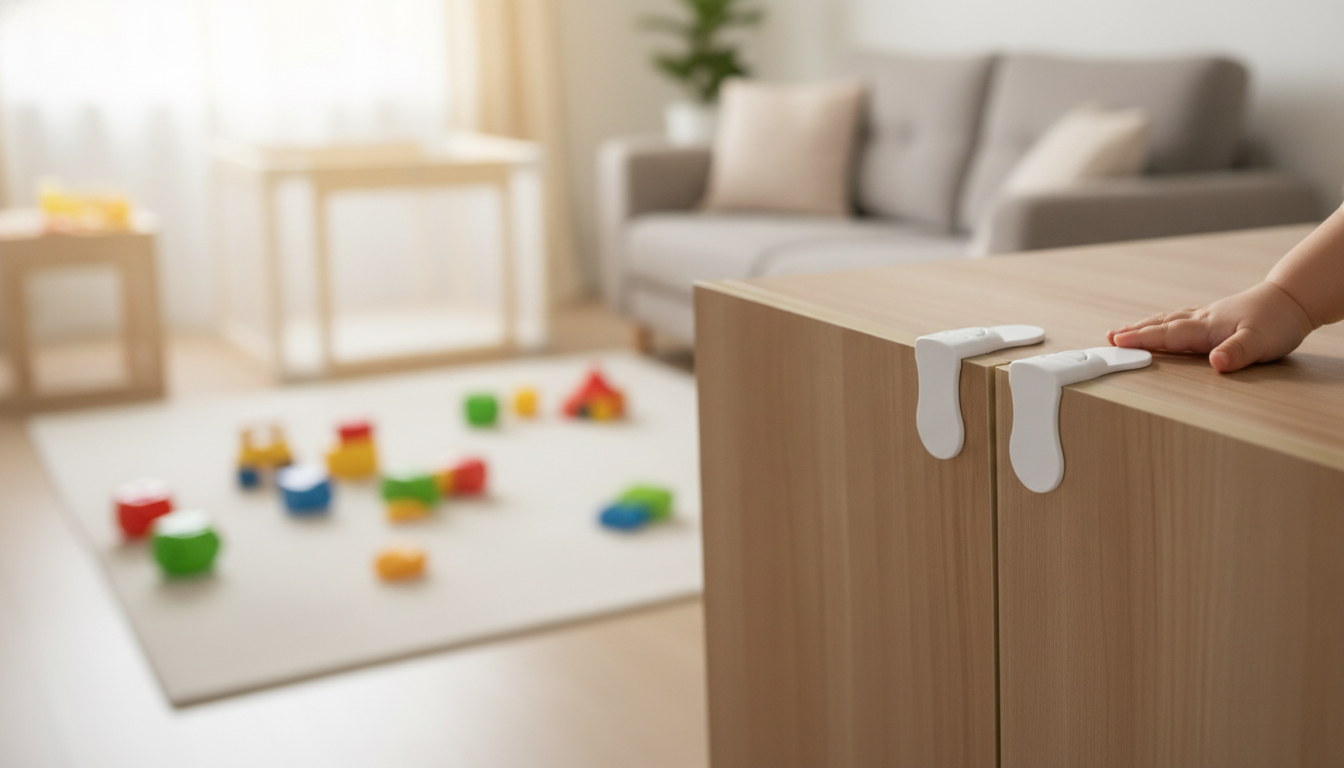
Child Safety Drawer & Cabinet Locks – Anti-Pinch Home Protection Set
Curious hands can turn everyday drawers and cabinets into a pinch hazard or a pathway to cleaning supplies, sharp tools, and breakables. A simple lock set helps reduce finger pinches, surprise spills, and access to unsafe items—without making the home feel difficult to use for adults. When used in the right places (and paired with smarter storage), cabinet and drawer locks create “passive protection” that works even when you’re cooking, answering the door, or juggling bedtime routines.
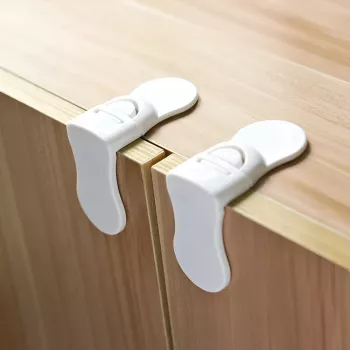
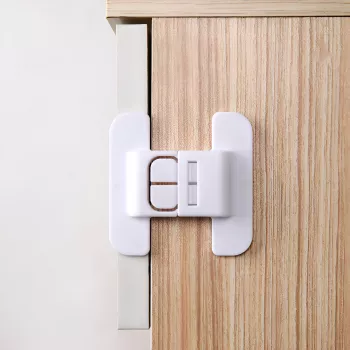
If you’re ready to start, the Child Safety Drawer & Cabinet Locks – Anti-Pinch Home Protection Set is an easy way to secure the most tempting spots at child level.
What This Lock Set Helps Prevent
- Pinched fingers when drawers or cabinet doors slam shut
- Access to household cleaners, medicines, detergents, and small choking hazards
- Pulling down heavy items stored in lower cabinets
- Broken glass or sharp objects from curiosity-driven rummaging
- Stressful “constant monitoring” by creating passive protection in key zones
Where to Use It First: High-Impact Spots Around the Home
Not every cabinet needs a lock on day one. Start with the areas that combine frequent child interest with higher consequences, then expand after a quick “crawl-level tour” of your home.
- Kitchen: under-sink cabinet, utensil drawers, trash/recycling pull-outs, spice drawers with small jars
- Bathroom: vanity cabinet, drawers with razors, nail tools, cosmetics, and medications (store meds high and locked)
- Laundry area: detergent pods and cleaning agents (extra caution due to poisoning risk)
- Living room: media console drawers with batteries, remotes, cords, and small accessories
- Bedroom: nightstands and dressers that hold small items, cords, or tools
- Garage/mudroom: cabinets with automotive fluids, tools, or hardware (use additional safety measures if needed)
| Location | Common hazards | Priority level |
|---|---|---|
| Under-sink cabinet | Cleaners, detergents, sharp scrubbers | High |
| Bathroom vanity | Medications, razors, nail tools | High |
| Kitchen utensil drawer | Knives, peelers, scissors | High |
| Media console | Batteries, cords, small parts | Medium |
| Dresser/nightstand | Coins, hair ties, small items | Medium |
| Pantry lower cabinet | Glass containers, heavy cans | Medium |
Anti-Pinch Protection: How Locks Reduce Finger Injuries
Finger pinches often happen during fast, repetitive open-close cycles—especially when a child “tests” a door or drawer over and over. A lock changes that interaction by limiting access and reducing sudden movement.
- Limits quick slam cycles: When a drawer can’t fully open, it’s harder for little hands to build speed and momentum.
- Creates a predictable stopping point: A consistent stop reduces the chance fingers end up at the edge right as the door closes.
- Encourages fully closed storage: Half-latched doors are common pinch setups; a routine of closing and latching helps keep edges from “surprise closing.”
- Works best with safer storage habits: Keep heavy items higher, sharp items farther back, and chemicals locked and out of reach.
Choosing the Right Lock Style for Your Cabinets and Drawers
Cabinets vary widely—face frames, inset doors, modern flat fronts, metal drawers, and different interior rails can all change what works best. Before installing any lock, check these practical fit details:
- Measure gap and clearance: Some cabinet faces and drawer rails leave limited room for certain lock designs.
- Match the surface material: Wood, laminate, and metal can differ in how well adhesive holds over time. A clean, dry surface matters as much as the lock itself.
- Balance adult convenience: Frequently used cabinets (snacks, plates, trash pull-outs) benefit from quick access; occasional-use cabinets can be locked more “securely” without daily frustration.
- Plan for child development: As toddlers grow, they learn patterns. Reassess every few months, especially if your child can reach higher, climb, or mimic hand motions.
- Avoid false security: A lock supports safe storage but doesn’t replace it—especially for medicines and toxic chemicals.
Installation and Daily Use Tips (Without Damaging Furniture)
Good installation prevents most “my lock didn’t last” problems. Take an extra five minutes up front and you’ll usually get a cleaner look and more reliable performance.
A Simple Home Protection Checklist (Room-by-Room)
For broader home safety guidance, review the CPSC Home Safety Checklist and the American Academy of Pediatrics resources on home safety. For laundry products and poisoning prevention, Safe Kids Worldwide provides practical reminders at Poison Prevention.
When to Upgrade Beyond Basic Cabinet and Drawer Locks
Helpful Add-Ons for a Calmer Family Routine
FAQ
How many cabinet and drawer locks are needed for a small home?
Start with 6–10 locks focused on the highest-risk zones: the kitchen under-sink cabinet, a utensil drawer, the bathroom vanity, and laundry supplies. After a one-week walkthrough of child-level access points, add locks where you notice repeat “hot spots” for curiosity.
Are cabinet locks enough to keep cleaning products safe?
Locks help, but the safest approach is storing chemicals in their original containers, locked and out of reach, especially in homes with toddlers. For higher-toxicity items, use layered safety (higher placement plus locking) and keep poison-control information readily available.
Do cabinet locks prevent finger pinches completely?
No—locks reduce risk by limiting access and reducing rapid open-close play, but supervision and consistent safe-closing habits still matter. If heavy doors still pinch easily, consider adding soft-close hardware or hinge-side protection.







Leave a comment