200W Mini Car Charger Guide: Fast, Safe Multi-Device Power
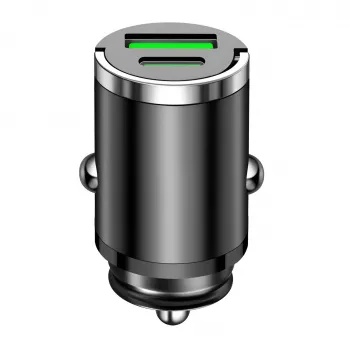
200W Mini Car Charger: Compact Power for Phones, Tablets, and More
A high-output mini car charger can keep multiple devices topped up on commutes, road trips, and rideshare shifts—without a bulky adapter sticking out of the 12V socket. This guide breaks down what “200W” can mean in real use, how to match ports and cables to your devices, and how to charge safely in any vehicle.
What a 200W mini car charger is designed to do
A “200W” mini car charger is built for drivers who don’t want to choose between charging a phone, keeping a tablet running navigation, and topping up a power bank. Compared with basic 10–36W adapters, a higher-capacity model can make shared charging feel practical instead of painfully slow.
- Provide higher total charging capacity than basic adapters so multiple devices can charge at once.
- Fit flush or low-profile in most 12V vehicle sockets to reduce bumps and accidental unplugging.
- Support modern fast-charging standards (device and cable dependent) for quicker top-ups during short drives.
- Handle mixed-device charging scenarios: phone + tablet, two phones, phone + power bank, and more.
“Mini” matters in real driving: a low-profile plug is less likely to snag on a knee, get bumped by a shifting bag, or loosen from vibration—small annoyances that add up on longer trips.
Key details to check before buying
Not every high-watt car charger behaves the same. The difference between a great experience and a frustrating one usually comes down to ports, power allocation, and the right cable.
- Port types: USB-C, USB-A, or a mix. USB-C is typically better for higher power and newer devices.
- Total output vs. per-port output: the headline number may be shared across ports rather than available on a single port.
- Fast-charge compatibility: look for USB-C Power Delivery (PD) and common rapid-charge profiles on USB-A.
- Cable requirements: many fast-charge modes require a USB-C to USB-C cable rated for higher current; older or thin cables can limit speed.
- Vehicle compatibility: most cars provide a 12V socket, but output may be limited if the socket/fuse is low-rated or if the engine is off.
For background on how these standards work, see the USB Power Delivery specification (USB-IF) and Qualcomm Quick Charge overviews.
Power and port guide: what different wattages typically cover
Wattage needs vary by device category and by what the device is doing. A phone at 5% battery can accept more power than the same phone at 80%, and heavy use (GPS, hotspot, video calls) can consume a meaningful share of what’s being delivered.
- Phones: typically 18–30W is a comfortable fast-charge range (model dependent).
- Tablets: often benefit from 20–45W, especially while in use.
- Laptops: some can charge from USB-C PD, but many require 45–100W (or more) and specific PD profiles.
- Multiple devices: many chargers rebalance power; one device may slow when another is plugged in.
| Device type | Common fast-charge range | Notes for best results |
|---|---|---|
| Smartphone | 18–30W | Use a compatible fast-charge cable; some models cap at specific wattages. |
| Large phone / Pro model | 25–45W | Higher wattage mainly helps from low battery levels; charging tapers near full. |
| Tablet | 20–45W | Higher wattage helps while using GPS/video; ensure USB-C PD support if available. |
| Power bank | 18–60W | Input varies widely; check the bank’s rated input and cable requirements. |
| Laptop (USB-C chargeable) | 45–100W | Only works if the charger supports the right PD profiles and the car socket can supply enough power. |
Using a high-output car charger safely
High-output charging is generally straightforward, but the vehicle’s 12V socket and wiring still set the real limits. Treat the socket like a power tool outlet: capable, but not unlimited.
Setup tips for faster charging in real driving
Quick troubleshooting checklist
Product spotlight: 200W Mini Car Charger
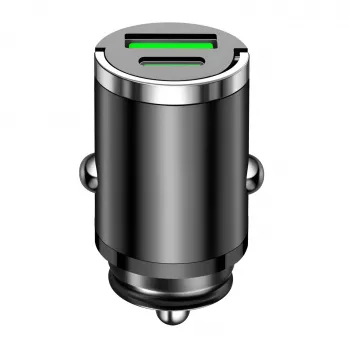
If daily driving includes multiple devices (or multiple passengers), a compact high-output option can keep the cabin clutter-free while still delivering practical charging speed. The 200W Mini Car Charger is designed to sit neatly in a vehicle’s 12V socket and provide high total output for multi-device charging (actual per-port output depends on the charger’s internal allocation).
More in-stock picks for smoother trips
- The Ultimate Productivity Blueprint for goal setting, time management, and daily routines.
- Stronger Together: Family Bonding Pack for printable at-home and outdoor connection activities.
- Confident Kids Bundle: Nurturing Emotional Strength for ages 3–5, with activities and an emotional intelligence checklist.
FAQ
Does “200W” mean a single device will charge at 200W?
No. “200W” is typically the total available output across all ports, and the charger may split that power between connected devices. A single device will only draw what it can accept, so check the stated per-port output and supported charging protocols for the port you plan to use.
Will it fast charge an iPhone or Android phone?
It can, as long as the charger port supports the phone’s fast-charge standard and you use the right cable. Many iPhones fast charge over USB-C PD with a USB-C to Lightning cable (or USB-C to USB-C for newer models), while Android fast charging varies by brand and may use USB-C PD or other supported profiles.
Is a high-watt car charger safe for the car battery?
Generally yes, because it draws power from the vehicle’s electrical system like other accessories, but heavy charging with the engine off can drain the battery over time. For sustained high-power charging, start the engine and stay within the vehicle’s 12V socket/fuse rating listed in the owner’s manual.









Leave a comment