Iron & Rust Remover Spray: Clean Wheels and Smooth Paint
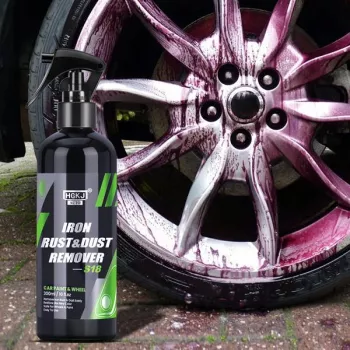
Iron Rust & Dust Remover Spray for Wheels and Paint: Safer Decontamination for a Smoother Finish
Brake dust and rail dust can bond to wheels and paint, leaving a rough feel and stubborn dark specks that regular washing won’t fully remove. A dedicated iron and rust remover spray helps dissolve embedded contamination so surfaces clean up more completely and feel smoother—an important step before waxing, sealing, or polishing.
What iron and rust fallout looks like on a vehicle
Ferrous (iron-based) contamination is one of those problems that can hide in plain sight. Even when paint looks glossy from a few feet away, tiny particles can remain lodged in the clear coat and slowly oxidize.
- Wheels: baked-on brake dust that clings around spokes, barrels, and lug areas, often dark brown/black.
- Paint: tiny orange/brown dots (often called rail dust) that become more visible on light colors.
- Rough texture after washing: contamination remains bonded to the clear coat even when the surface looks clean.
- Why it matters: embedded metal particles can continue to oxidize and stain, and they interfere with protection products bonding evenly.
Modern braking systems shed fine particles during normal driving, and airborne industrial fallout can settle on vehicles parked outside. For deeper background on vehicle-related emissions and wear, you can review resources from the U.S. Environmental Protection Agency (EPA) and technical materials available through the Society of Automotive Engineers (SAE).
How an iron/rust remover spray works
Iron removers are designed for chemical decontamination—meaning they tackle bonded particles that shampoo and mitts often can’t safely pull free.
- Chemical decontamination: formulated to react with iron particles and help lift them from the surface.
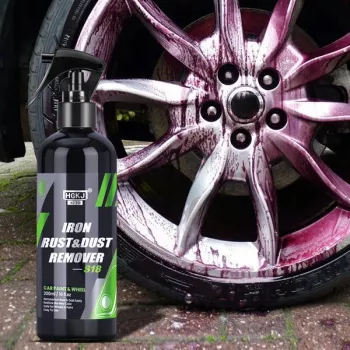
- Color-change reaction is common: many iron removers “bleed” purple/red as they react with ferrous contamination.
- Complements washing: used after a normal wash so the product can contact the contamination directly.
- Pairs well with clay: after chemical removal, claying can be quicker and gentler because fewer bonded particles remain.
The goal isn’t aggressive scrubbing—it’s letting chemistry do the heavy lifting so you reduce the chance of dragging sharp particles across paint or pushing grime deeper into wheel finishes.
Where it can be used (and where to be cautious)
Most iron removers are versatile, but safe use depends on temperature, dwell time, and finish condition.
- Common use areas: painted panels (clear coat), wheels (painted/coated), and some exterior metal surfaces.
- Caution areas: avoid use on hot surfaces or in direct sun; do not allow the product to dry on the surface.
- Test first: spot-test on an inconspicuous area, especially on older, repainted, or sensitive finishes.
- Follow label directions: dwell time, agitation guidance, and rinsing method vary by formula.
If you’re detailing in summer heat, plan around cool panels: early morning, late afternoon, or inside a shaded area. Drying product is where streaking and staining risks increase, especially on porous finishes and neglected wheels.
Step-by-step: wheels and paint decontamination routine
This routine fits well into a “deep clean” wash day, especially before adding protection. If your wheels are heavily soiled, treat them first so brake grime doesn’t splash onto freshly cleaned paint.
- Pre-rinse to remove loose grit; wash the vehicle/wheels with a pH-balanced shampoo.
- Apply the iron/rust remover to cool, wet or damp surfaces as directed; cover the wheel face and (if accessible) the barrel.
- Let it dwell for the recommended time; look for visible reaction on contaminated areas.
- Light agitation where needed: use a soft wheel brush or microfiber on heavy buildup; avoid aggressive scrubbing on paint.
- Rinse thoroughly: flush spokes, lug holes, calipers, and panel gaps.
- Optional clay step: use clay with proper lubricant for remaining bonded contaminants.
- Protect: apply wax, sealant, or ceramic spray to slow future buildup and make cleaning easier.
Quick routine guide by surface
| Surface | When to use | Technique | Finish with |
|---|---|---|---|
| Wheels | When brake dust stains remain after washing | Spray, dwell, light brush agitation, rinse thoroughly | Wheel sealant or ceramic spray |
| Paint (clear coat) | Before polishing or applying protection; when roughness/iron specks are present | Spray, dwell, minimal agitation, rinse; clay if needed | Wax/sealant/ceramic topper |
| Glass (spot test) | When fallout is visible and regular cleaning isn’t enough | Spot-test first; spray, short dwell, rinse well | Glass sealant |
Tips to get better results with less risk
Product spotlight: Iron Rust & Dust Remover Spray for Wheels and Paint
For a straightforward way to tackle iron fallout without overcomplicating your wash day, Iron Rust & Dust Remover Spray for Wheels and Paint is designed to target iron/rust contamination on wheels and painted surfaces for a more complete clean than washing alone. It’s a useful prep step before waxing, sealing, or polishing—especially on vehicles exposed to heavy braking dust or industrial fallout—while keeping the process approachable for routine maintenance or seasonal deep cleaning.
More in-store picks (also in stock)
- The Ultimate Productivity Blueprint | Digital Productivity Guide for Goal Setting, Time Management & Daily Routines
- Stronger Together: Family Bonding Pack | Digital Family Activities Guide for Kids & Parents
When to use it during the year
FAQ
Is an iron and rust remover safe for clear coat paint?
It’s generally safe when used as directed on cool panels with the recommended dwell time and a thorough rinse. Spot-test on sensitive or repainted areas and never let the product dry on the surface.
Do wheels need an iron remover if they already look clean?
Yes, wheels can hold embedded brake dust that isn’t obvious until it bakes on and stains. Periodic decontamination helps prevent long-term discoloration and can make regular washes quicker.
Should claying be done before or after using an iron remover spray?
Typically after. Removing bonded iron chemically first makes claying faster and helps lower the risk of marring from dragging particles across the paint.






Leave a comment