Nano Glass Foot Grinder Guide for Smooth, Soft Heels
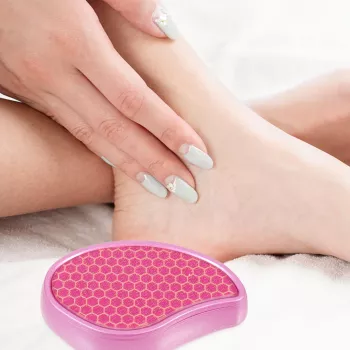
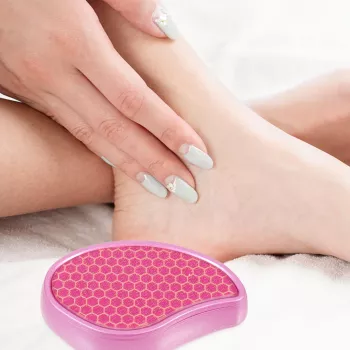
Nano Glass Foot Grinder: Smooth Heels at Home Without the Mess
Rough heels and stubborn calluses can make feet feel uncomfortable and look uneven, especially in sandal season. A nano glass foot grinder is designed to gently buff away dry, thickened skin with more control than many coarse files. With a little consistency and the right technique, it can become an easy, low-fuss step in a weekly foot-care routine.
What a Nano Glass Foot Grinder Is
A nano glass foot grinder is a handheld foot-smoothing tool made with a micro-textured glass surface. Instead of “cutting” skin, it buffs away dry, dead layers in thin, controlled passes.
- Typically used on heels, the sides of the feet, and other thickened areas where calluses form from friction and pressure.
- Often preferred for a cleaner routine because it can create fine “skin dust” rather than large shavings when used on dry feet.
- Best suited for gradual smoothing and routine maintenance—not rapid removal of very thick, painful calluses.
How It Works (And Why Glass Feels Different)
The “nano” texture grips dry, dead skin cells and gently abrades them away over multiple light strokes. Many people find glass feels more even and less “grabby” than aggressive rasps, which helps reduce the urge to over-file one stubborn spot.
- Works best when skin is clean, fully dry, and firm.
- Wet, softened skin can make it easier to remove too much at once, which may lead to irritation for some people.
- Small, consistent sessions usually look more natural than one intense filing session.
Foot smoothing tool comparison
| Tool | Best for | Feel on skin | Cleanup |
|---|---|---|---|
| Nano glass grinder | Regular maintenance of dry, rough heels | Fine, controlled buffing | Rinses clean; wipe dry |
| Pumice stone | Light-to-moderate roughness | Mild abrasion; varies by stone | Can trap moisture; needs thorough drying |
| Metal foot rasp | Thicker calluses (with caution) | More aggressive removal | May create larger shavings; sanitize carefully |
| Chemical exfoliant (urea/AHAs) | Softening rough skin over time | No abrasion; gradual smoothing | No tool cleanup; follow product directions |
When to Use It (And When to Skip It)
Timing and skin condition matter. The goal is smoother, more comfortable feet—without causing soreness.
- Good times to use: after a shower once feet are fully dry, before moisturizing at night, or whenever heels feel rough to the touch.
- Skip use on broken skin, cuts, bleeding cracks, active rashes, or areas that feel hot, swollen, or infected.
- People with diabetes, poor circulation, neuropathy, or very fragile skin should consult a clinician before using abrasive foot tools.
- If calluses are painful, rapidly worsening, or accompanied by discoloration or drainage, professional assessment is safer than home grinding.
For general dry-skin self-care and signs it’s time to get medical guidance, the American Academy of Dermatology Association has practical pointers: AAD dry skin guidance. If diabetes is a factor, extra caution is important: Mayo Clinic diabetes foot care.
How to Use a Nano Glass Foot Grinder Safely
A careful method makes a noticeable difference in comfort and results. Think “polish,” not “scrape.”
- Start with clean, completely dry feet. Sit down in good light so you can control pressure and avoid slips.
- Use gentle, short strokes. Move in one direction or small controlled motions. Don’t press hard—let the texture do the work.
- Work thick areas first, then blend. Focus on the outer heel and edge of the foot, then lightly feather toward smoother skin so it looks even.
- Stop when roughness is reduced. The target is comfortable, smooth skin—not an ultra-thin surface that feels tender.
- Moisturize right after. Apply a foot cream; urea-based formulas are commonly used for thick, rough skin. If you prefer, add socks overnight to hold in hydration.
- Set a realistic frequency. Begin 1–2 times per week and adjust based on sensitivity and how quickly roughness returns.
Results to Expect: Timeline and Maintenance
Many people notice a smoother feel after the first session, especially when they moisturize immediately afterward. Very thick calluses usually take multiple sessions for a visible change because gradual removal is less irritating than aggressive grinding.
- A steady routine tends to outperform occasional “all at once” filing, which can trigger tenderness or rebound thickening.
- Daily moisturizing helps the smooth feel last longer and can reduce the risk of heel cracking.
- In dry climates or during winter, socks overnight after moisturizing can noticeably boost softness.
Cleaning, Storage, and Hygiene
Good hygiene keeps the surface working well and helps prevent unwanted buildup.
Simple Foot-Care Routine That Complements Grinding
Daily
Weekly
Footwear matters
- Supportive shoes and moisture-wicking socks can reduce friction and slow callus buildup.
- If recurring heel cracks are deep or painful, prioritize hydration and barrier protection and consider professional care. For broader heel/foot discomfort guidance, see: NHS heel pain information.
Product Snapshot: Nano Glass Foot Grinder
- Nano Glass Foot Grinder — designed for at-home smoothing of dry, rough skin with controlled buffing.
More in-stock picks for building consistent routines
- The Ultimate Productivity Blueprint — useful if you like a structured approach to keeping up with self-care habits.
- Stronger Together: Family Bonding Pack — a simple way to plan screen-free downtime while you keep personal routines steady.
FAQ
Is it better to use a glass foot grinder on wet or dry feet?
It generally works best on clean, fully dry feet for controlled buffing. Wet, softened skin can make it easier to over-exfoliate, so use a light touch and stop if you notice irritation.
How often can a nano glass foot grinder be used?
Start 1–2 times per week, then adjust based on how quickly roughness returns and how your skin responds. Frequent aggressive use can lead to tenderness, so keep sessions gentle.
Can a foot grinder help with cracked heels?
It can smooth rough edges around mild dryness, but deep or bleeding cracks need gentle care and heavier moisturization. If cracks are painful, look infected, or don’t improve, seek medical guidance.







Leave a comment