Printable Pet Travel Checklist: Safe Road Trips & Stays
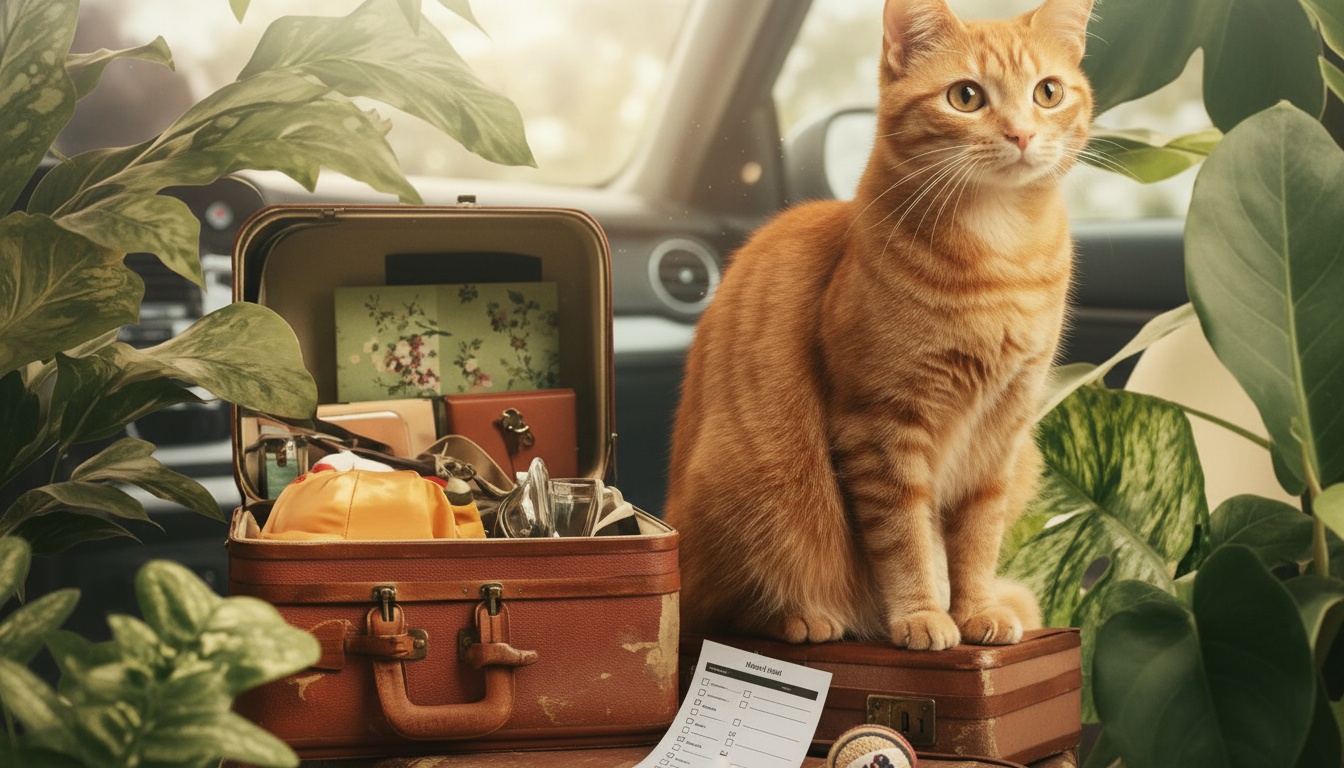
Pet Travel Essentials Checklist for Safe Trips (Printable Planner for Dogs & Cats)
A smooth trip with pets comes down to two things: preparation and consistency. A printable travel planner and packing list helps cover safety, comfort, and must-have documents for road trips and vacations with dogs or cats—so nothing important gets missed when departure day gets busy.
Before You Pack: Quick Safety Prep
Start with the items that protect your pet if something unexpected happens—traffic delays, a door that doesn’t latch, or a new environment that feels overwhelming.
- Confirm your pet’s ID is current: collar tag, microchip registration, and a recent photo on your phone.
- Schedule a vet check if needed, especially for seniors, chronic conditions, or first-time travelers.
- Ask about motion sickness options and calming strategies if your pet has a history of stress in cars or new places.
- Check destination rules: pet-friendly lodging policies, leash laws, and any vaccination or documentation requirements.
- Do a short practice run: carrier time for cats, harness and seat-belt clip for dogs, and brief rides to reduce anxiety.
For additional guidance on safe travel and pre-trip planning, the American Veterinary Medical Association (AVMA) travel tips are a solid reference point.
Core Travel Essentials for Dogs and Cats
Pack as if you might be delayed a day and need to keep routines steady. Familiar food, familiar smells, and simple cleanup tools reduce stress for everyone.
- Food and water: pack enough for the full trip plus 1–2 extra days; bring a sealable container to keep food fresh.
- Collapsible bowls and a non-spill water option for car rides and hotel rooms.
- Leash/harness for dogs; secure carrier for cats; consider a backup leash and an extra ID tag.
- Waste and cleanup kit: poop bags, litter (for cats), disposable gloves, enzyme cleaner, paper towels, and a small trash bag roll.
- Comfort items: familiar blanket, bed, and a favorite toy to help pets settle in unfamiliar spaces.
- Grooming basics: brush/comb, pet wipes, towel, and paw balm for hot pavement or dry climates.
Fast Packing Checklist (Print and Check Off)
| Category | Essentials to Pack | Notes |
|---|---|---|
| Documents & ID | Microchip info, ID tag, recent photo, vaccination records | Store copies on phone + paper |
| Health & Meds | Prescription meds, flea/tick prevention, basic first-aid items | Pack in original containers when possible |
| Travel Gear | Leash/harness, carrier/crate, seat cover, pet seat belt/crash-tested harness | Choose size-appropriate restraint |
| Food & Water | Food, treats, bowls, water, can opener (if needed) | Bring familiar food to avoid stomach upset |
| Comfort | Bed/blanket, favorite toy, calming aid (as approved) | Scented familiar item helps in new places |
| Cleanup | Poop bags, litter supplies, wipes, enzyme spray, towels | Plan for accidents and muddy paws |
| Destination Setup | Portable gate, crate cover, do-not-disturb sign | Helps prevent door-dashing |
If you want everything laid out as printable pages you can reuse each trip, see the Printable Pet Travel Essentials Checklist and Planner.
Health, Medications, and a Simple Pet First-Aid Mini Kit
A small, organized health kit keeps minor issues from turning into stressful emergencies—especially when you’re far from your regular vet.
- Bring all daily medications plus a buffer of extra doses in case of delays.
- Include a copy of prescriptions and your vet’s contact details.
- Basic first-aid items: gauze pads, self-adhering bandage wrap, antiseptic wipes safe for pets, tweezers, digital thermometer, and styptic powder (as appropriate).
- Know what not to pack: many human pain relievers are dangerous for pets; confirm any OTC items with a veterinarian.
- For heat/cold changes: pack a cooling towel or light jacket depending on season and destination.
For broader health considerations during travel (including prevention and hygiene), review the CDC Healthy Pets, Healthy People resources.
Road Trip Routine: Stops, Hydration, and Car Safety
Your packing list matters—but your rhythm matters, too. Pets do best when the trip feels predictable: same cues, same leash routine, and calm transitions.
Hotel, Rental, or Family Home: Pet-Proofing the Space
If you’re crossing borders or need documentation guidance for specific destinations, the USDA APHIS pet travel resources can help you confirm requirements.
Printable Planner Pages That Make Travel Easier
To keep your whole trip organized (pet routines included), pair the pet pages with a general planning system like The Ultimate Productivity Blueprint. For families traveling with kids, Stronger Together: Family Bonding Pack can help fill downtime so pets get quieter breaks in the room.
Common Packing Mistakes to Avoid
FAQ
What should be in a pet travel checklist for a road trip?
Include documents/ID, secure restraint gear (carrier or crash-tested harness), food/water and bowls, medications plus a small first-aid kit, comfort items, and a cleanup kit. Add a quick-access pouch for stops so the essentials aren’t buried in the trunk.
How often should dogs stop on a long car ride?
Plan regular breaks based on your dog’s age, health, and comfort, and keep the timing consistent when possible. Offer a short walk, a calm sniff break, and small amounts of water at each stop.
Is it safe for cats to travel without a carrier?
No—cats should ride in a secure carrier that’s properly positioned and strapped in. A carrier reduces escape risk and helps protect your cat during sudden stops or stressful moments.









Leave a comment