Toddler Nightmares: 10-Minute Plan + Bedtime Fixes
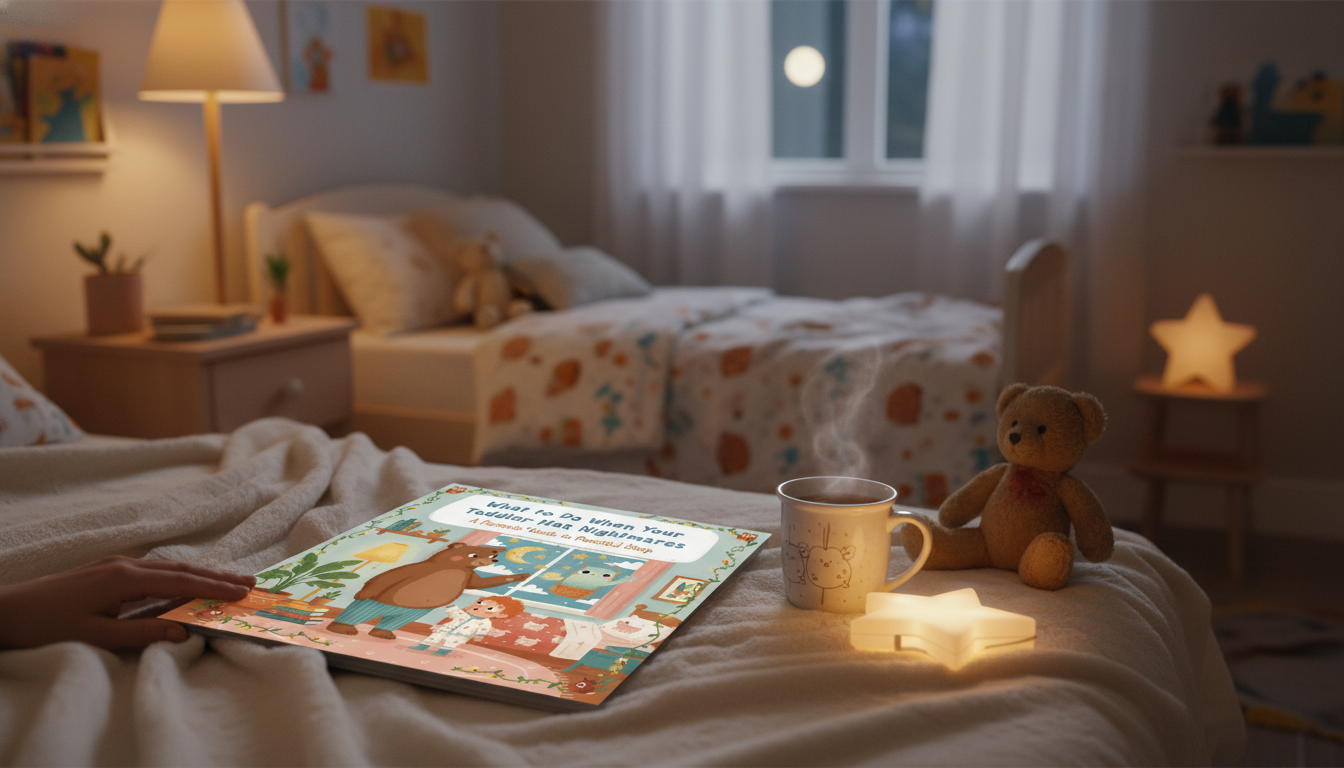
Nightmares can start suddenly and feel intense for toddlers, often showing up as crying, calling out, or refusing to go back to sleep. The goal at night is to help a child feel safe quickly, then rebuild confidence and predictable sleep habits over the next days. Below is a simple, repeatable plan for the moment a nightmare hits, plus daytime and bedtime strategies that can reduce how often it happens.
Nightmares vs. night terrors: why the difference matters
It’s easier to respond calmly when you know what you’re seeing. Nightmares and night terrors can both look scary, but they’re handled differently.
- Nightmares usually happen later in the night (often during REM sleep). A toddler typically wakes up, seeks comfort, and may remember scary images.
- Night terrors often happen earlier in the night. A child may look awake (crying, thrashing) but is actually not fully conscious, is hard to console, and usually won’t remember it in the morning.
- If your toddler can talk about the scary dream and wants closeness, it’s more likely a nightmare; respond with reassurance and calm coaching back to sleep.
- If your child seems confused, doesn’t recognize you, and can’t be comforted, focus on safety and wait it out with minimal stimulation; try not to fully wake them.
- If episodes are frequent, involve injury risk, or include breathing issues, discuss with a pediatrician to rule out sleep disorders and triggers.
For additional sleep guidance, trusted references include American Academy of Pediatrics (HealthyChildren.org) and the NHS overview of night terrors.
The 10-minute calm-down plan when a nightmare happens
When a nightmare wakes your toddler, a steady, low-stimulation response helps their brain re-label the moment as “safe” and return to sleep faster.
- Go in promptly, keep lights dim, and use a steady voice. Big reactions can accidentally signal “danger” and intensify fear.
- Orient and reassure. Repeat simple facts: “You’re safe. You’re in your bed. I’m here.”
- Ground the body. Try one quick tool: slow breathing together (a hand on the belly), a sip of water, or a short cuddle/hand-hold.
- Validate without making the dream “real.” Use a short script: “That felt scary. Dreams can feel real, but they’re just pictures your brain makes.”
- Keep it boring. Avoid screens, snacks, and long conversations. The goal is sleep, not solving the whole story at 2 a.m.
- Use a consistent plan for where they sleep. If staying in their room is the goal, do a brief sit-in and gradual fade (bedside for 2–3 minutes, then doorway the next night, then outside).
Quick responses that soothe (and what to avoid)
| Try this | Instead of this | Why it helps |
|---|---|---|
| “You’re safe. I’m here.” | “There’s nothing to be scared of.” | Reassures without dismissing big feelings. |
| Dim light + calm touch | Turning on bright lights | Keeps the body in “sleep mode.” |
| One short check-in every few minutes | Lengthy talks or repeated questions | Prevents reactivating fear and alertness. |
| A comfort object or bedtime buddy | New toys or treats at 2 a.m. | Avoids rewarding wake-ups with novelty. |
| A predictable plan (“I’ll check on you in 3 minutes.”) | Open-ended negotiations | Consistency lowers anxiety and bedtime power struggles. |
Daytime work that reduces nightmares at night
Nighttime fear often shrinks when kids get small, confident practice with feelings during the day.
- Name feelings in daylight. Use simple words (“scared,” “worried,” “startled”) and praise coping: “You told me you felt scared and took a breath.”
- Replay with a new ending. If your toddler mentions a dream, do a 60-second “story edit” where they choose a helper (parent, superhero, animal) and a safe ending.
- Limit scary inputs. Monitor shows, background news, older-sibling content, and “spooky” books near bedtime. Toddlers can be rattled by images adults consider mild.
- Support regulation. Outdoor play, predictable meals, and gentle transitions can lower the stress that spills into dream content.
- Watch for life changes. A new daycare, travel, moving rooms, illness, toilet training, or a new sibling can create a temporary spike.
A bedtime routine that builds security and prevents repeat wake-ups
Common triggers and simple adjustments
When to get extra help
A step-by-step guide to keep nearby for hard nights
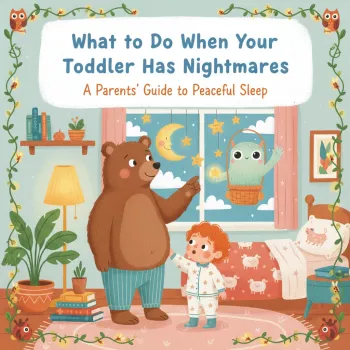
If you want a structured, printable approach with ready-to-use scripts and routine templates, keep this option on hand: What to Do When Your Toddler Has Nightmares | Ebook Guide for Parents | Practical Comforting Tips & Bedtime Solutions.
If nightmares are tied to big daytime emotions (worry, frustration, low confidence), adding simple resilience routines can help: Confident Kids Bundle: Nurturing Emotional Strength | 3-in-1 Bundle | Parenting Guide, Self-Esteem Activities Ages 3–5, Emotional Intelligence Checklist.
For families who want more connection-based routines that can lower bedtime clinginess, consider: Stronger Together: Family Bonding Pack | Digital Family Activities Guide for Kids & Parents | Printable At-Home & Outdoor Connection Activities | Family Time Checklist & eBook.
FAQ
How long do toddler nightmares usually last?
Many “waves” last a few days to a few weeks, often around developmental leaps, stressors, or changes in routine. Consistent bedtime habits, calming night responses, and limiting scary media usually help; talk to a pediatrician if they’re frequent, severe, or paired with other sleep symptoms.
Should a toddler sleep in a parent’s bed after a nightmare?
Some families choose this for quick comfort, while others find it increases repeat wake-ups if the rule changes nightly. If you prefer your child to sleep in their own room, offer brief comfort there, use planned check-ins, and fade your presence gradually so the pattern stays predictable.
What should be avoided after a nightmare?
Avoid bright lights, screens, long discussions, “monster hunting,” and snacks or playtime that wake the body up. Keep stimulation low, use a short reassuring script, and guide your toddler back to familiar sleep cues.










Leave a comment