Whole-Body Wellness for Beginners: Nutrition to Self-Care
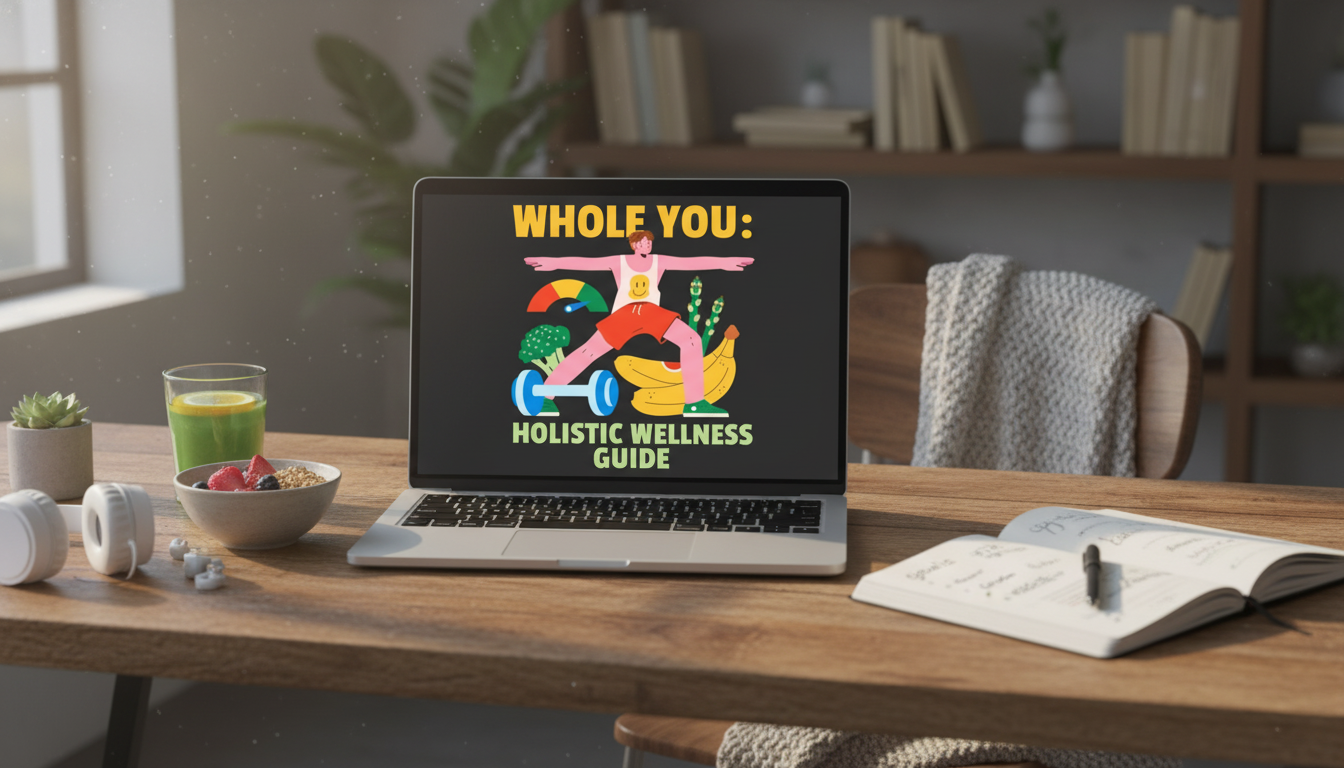
Whole You: A Beginner’s Holistic Wellness Guide for Nutrition, Movement, Mindset, and Self-Care
Holistic wellness brings daily choices into alignment across nutrition, exercise, mental health, and self-care—without turning life into a full-time project. A beginner-friendly approach works best: start small, build consistency, and connect habits so they support each other. This guide breaks down core pillars, simple routines, and a practical weekly structure that helps make progress feel doable and sustainable.
What “Holistic Wellness” Means (and What It Doesn’t)
Holistic wellness focuses on the full picture: your body, mind, emotions, and daily environment—and how each area affects the others. When the basics are working together, progress often looks like steadier energy, better mood regulation, improved sleep, and more consistent routines, not perfection.
A helpful starting mindset is to choose habits that are easy to repeat, then gently increase difficulty only after they feel stable. Watch for red flags like all-or-nothing rules, extreme restriction, punishing workouts, or routines that leave no flexibility for real life. A balanced plan includes nourishing meals, regular movement, mental health tools, and restorative self-care (sleep, boundaries, downtime).
Pillar 1: Nutrition Basics That Support Energy and Mood
For beginners, the goal isn’t a strict food rulebook—it’s a reliable pattern that helps you feel steady. Aim for regular meals that include protein, fiber, and healthy fats to reduce energy crashes and intense cravings. If you want a visual guide, USDA MyPlate is a helpful reference for balanced portions and food groups.
A simple plate structure
- Half colorful produce (fresh or frozen both count)
- A quarter protein (chicken, fish, eggs, beans, tofu, Greek yogurt)
- A quarter starch/whole grains (rice, potatoes, oats, whole-grain bread)
- Add a healthy fat as needed (olive oil, avocado, nuts, seeds)
Hydration that actually happens
Hydration supports focus and digestion, but it’s easiest when it’s automatic. Try a routine cue: water with breakfast, refill at midday, and water with dinner.
Beginner upgrades with big impact
- Add protein at breakfast (even a small amount).
- Include vegetables at lunch (a salad kit, baby carrots, or frozen veggies).
- Plan 2–3 “default meals” for busy days so you don’t have to think.
Supportive, not restrictive, choices work best long-term: prioritize minimally processed foods most of the time while leaving room for enjoyment and social meals. For practical planning, keep quick staples on hand—eggs, Greek yogurt, canned beans, frozen vegetables, rotisserie chicken, oats, fruit, and nuts.
Beginner Meal-Building Shortcuts
| Goal | Simple add-on | Fast example |
|---|---|---|
| More stable energy | Protein at breakfast | Oatmeal + Greek yogurt + berries |
| Better fullness | Fiber + volume | Salad kit + chickpeas + olive oil dressing |
| Balanced snacks | Protein + produce | Apple + peanut butter or a cheese stick |
| Easy weeknights | One-pan structure | Sheet-pan veggies + chicken/tofu + rice |
| Less decision fatigue | Default meals | Taco bowls, stir-fry, or grain-and-greens bowls |
Pillar 2: Movement for Beginners—Strength, Cardio, and Mobility
The best routine is the one you can repeat. Consistency beats intensity for beginners, especially when life is busy. A well-rounded week blends three movement types: strength (build resilience), cardio (heart health), and mobility (joint comfort and recovery). If you want a clear baseline for weekly activity, the CDC physical activity basics offer an approachable overview.
- Low-friction options: brisk walks, short bodyweight circuits, beginner dumbbell routines, or at-home videos.
- Use an effort scale: most sessions should feel “comfortable but challenging,” not exhausting.
- Recovery counts: rest days, gentle stretching, and sleep help workouts feel better and reduce soreness.
If movement feels intimidating, begin with 10 minutes a day and add 5 minutes every 1–2 weeks. The win is showing up—your body adapts as the habit becomes normal.
Pillar 3: Mental Health Tools That Fit into Daily Life
Mental wellness improves when stress skills are practiced during calm moments—not only during crises. The daily basics matter more than they get credit for: a consistent sleep schedule, sunlight exposure, movement, hydration, and regular meals.
For quick regulation (2–5 minutes), rotate simple tools: box breathing, a short walk, journaling one page, or a brief body scan. Stress is also shaped by context and workload; the American Psychological Association’s stress resources are a solid starting point for understanding stress and coping strategies.
Pillar 4: Self-Care That Restores (Not Just Adds More Tasks)
A Simple 7-Day Beginner Plan to Connect the Pieces
Using a Guided Workbook to Stay Consistent
If you want a ready-to-use option that ties nutrition, exercise, mental health, and self-care together, Whole You: Holistic Wellness Guide (Digital Download) is designed to be revisited as your routines evolve.
To support the “real life” side of wellness—planning, boundaries, and follow-through—pairing your routine with a streamlined productivity system can help. The Ultimate Productivity Blueprint can make it easier to protect workout time, simplify meal decisions, and keep a consistent bedtime wind-down.
FAQ
What is the best way to start holistic wellness as a beginner?
Start with one small habit per pillar (nutrition, movement, mental health, self-care) and focus on consistency for 2–4 weeks. Use simple triggers like habit stacking so the new behavior “locks onto” something you already do.
How long does it take to notice results from a holistic wellness routine?
Some early changes—like steadier energy, improved sleep, or better mood—can show up within 1–2 weeks. Fitness and body composition changes typically take longer, so steady repetition matters more than going hard for a few days.
Do I need to follow a strict meal plan and intense workouts for this to work?
No—sustainable results usually come from flexible structure: balanced meals you can repeat and movement that progresses gradually. Strict plans often backfire for beginners because they’re harder to maintain when life gets busy.











Leave a comment